
Families
Woody Fragrances Guide: Sandalwood, Cedar and Vetiver Decoded
Woods are the backbone of modern perfumery. Learn to tell cedar from sandalwood and your shopping gets sharper.
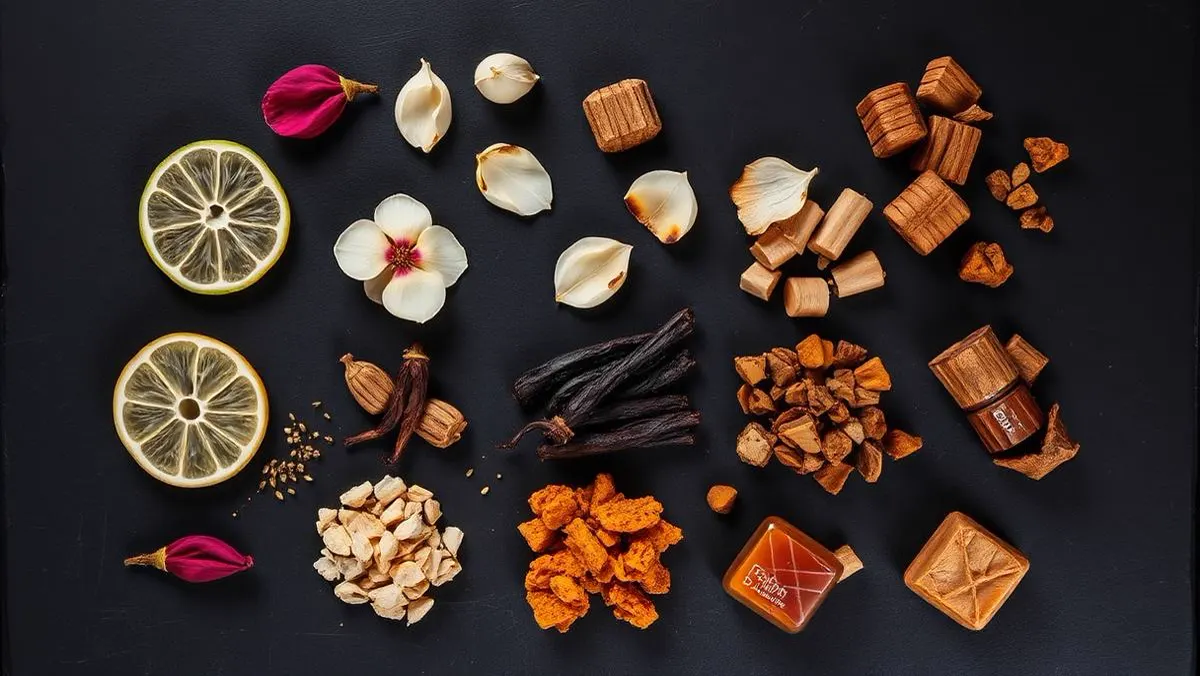
Woody fragrances bring warmth, depth and a sense of quiet confidence to a scent collection. If you have ever worn something with sandalwood, cedar or vetiver and felt instantly more put together, that is the effect woody fragrances are known for. This guide covers the key notes, the best entry points, and how to work out which style of woody scent actually suits you rather than just the one everyone recommends.
Quick answer: what are woody fragrances best for
Woody fragrances suit autumn and winter best, though lighter versions work year round, and they are one of the safest categories for the office since they read as warm rather than loud. If you want a scent that lasts most of the day with strong longevity, a woody fragrance built around sandalwood, cedar or ambroxan is usually a reliable choice.
What are woody fragrances exactly
Woody fragrances are built around notes that smell like actual wood, things like sandalwood, cedarwood, vetiver and patchouli. These notes tend to sit in the base of a perfume, giving the scent its lasting depth after the lighter top notes have faded away and the composition settles into its final shape.
Modern woody fragrances often lean heavily on ambroxan and iso e super, two synthetic materials that give a smooth, almost skin like woody effect without needing huge amounts of real wood extract. This is part of why so many contemporary scents share a similar warm, clean woody backbone regardless of which brand made them.
You will rarely find a fragrance that is purely woody with nothing else. Most woody scents pair the wood notes with something else, spice, citrus, leather or amber, to give the composition more character and direction as it moves through its full development on skin.
Why people gravitate towards woody fragrances
Woody notes read as warm, grounded and mature. They tend to suit both casual and formal occasions, which makes them a genuinely versatile choice compared to something more niche or seasonal. A good woody fragrance can carry you from a work meeting to a dinner without feeling wrong in either setting, which is rarer than it sounds.
They also tend to last longer on skin than lighter citrus or fresh scents, since wood notes are naturally less volatile. If longevity matters to you, woody fragrances are usually a safer bet than something built mainly on fleeting top notes.
A good woody fragrance feels like a well worn leather jacket. Comfortable, confident, and never trying too hard.
Key woody notes explained
- Sandalwood - creamy, soft and slightly sweet, one of the most beloved woods in perfumery
- Cedarwood - dry and sharp, often used to add structure to a blend
- Vetiver - earthy and slightly smoky, common in more masculine leaning scents
- Patchouli - dark, rich and a little sweet, often paired with amber or chocolate notes
- Ambroxan - a synthetic amber wood note giving a smooth, modern warmth
Different combinations of these notes create very different characters. A cedar and vetiver blend feels dry and sharp, while a sandalwood and amber combination feels soft and comforting. Trying a few small samples across these combinations is the quickest way to work out your preference before committing to a full bottle.
Some of the best woody fragrances to try
Classic and widely loved options
Terre d'Hermes is one of the most respected woody fragrances around, mixing citrus, mineral and woody facets in a way that feels both fresh and grounded. Chanel Bleu de Chanel also leans woody in its base, softened with citrus and a touch of incense for depth without ever feeling heavy handed.
Modern and luxury picks
Creed's Aventus, though better known for its fruity opening, dries down into a rich, smoky woody base that has made it one of the most talked about scents of the last decade. Parfums de Marly's Layton also blends woody notes with vanilla and apple for a warmer, sweeter take on the category that wears well into evening.
Comparing key woody fragrances
| Fragrance | Dominant wood note | Mood | Best season |
|---|---|---|---|
| Terre d'Hermes | Cedar, mineral | Fresh and grounded | Spring/autumn |
| Bleu de Chanel | Cedar, sandalwood | Clean and versatile | Year-round |
| Creed Aventus | Vetiver, patchouli | Smoky, confident | Autumn/winter |
| Parfums de Marly Layton | Sandalwood, vanilla | Warm and sweet | Autumn/winter |
Woody fragrances versus other fragrance families
Compared to floral perfumes, woody fragrances tend to feel more understated and less overtly romantic. Compared to citrus fragrances, they last much longer but feel heavier and less immediately refreshing. This makes woody scents a good middle ground for people who find florals too soft and citrus too fleeting for daily wear.
Woody notes also blend beautifully with oud, which is why so many oud perfumes lean on cedar or sandalwood in the background to soften the intensity of the oud itself and give it somewhere to settle.
How we tested and compared woody fragrances
We wore each fragrance for a full day, tracking how the woody base developed from the first spray through to the eight hour mark. Woody fragrances often smell quite different two hours in compared to how they open, so a single sniff test in a shop rarely tells the full story of how it will actually wear.
We also compared how each scent performed in cooler weather versus warmer weather, since wood notes tend to feel heavier and richer in the cold, and lighter and more diffused in the heat, which affects both sillage and how long the scent clings to skin.
Who should wear woody fragrances
- Great for autumn and winter, though lighter woody scents work in summer too
- A solid choice for the office, since they read as warm rather than loud
- Good for anyone who wants a scent that lasts most of the day
- Works well as a base to layer citrus or floral scents over
How to build up your woody collection
- Start with a balanced, citrus topped woody scent like Terre d'Hermes
- Note which specific wood, cedar, sandalwood or vetiver, you respond to
- Try a richer, darker option like Aventus once you know your preference
- Add a sweeter woody scent for evenings once you have a daytime staple
Final thoughts on woody fragrances
Woody fragrances are one of the safest, most versatile categories you can build a collection around. Start with something balanced like Terre d'Hermes or Bleu de Chanel, note which specific wood notes you respond to, then explore richer options as your taste develops. It is a category that rewards patience, since the best part of a woody fragrance often shows up hours after you first spray it.
Frequently asked questions
- What are the best woody fragrances for beginners
- Terre d'Hermes and Bleu de Chanel are both excellent starting points, since they balance woody notes with citrus and freshness rather than leaning fully into heavy, dark wood. They are versatile enough to wear daily while you work out which specific woody notes you prefer long term.
- Do woody fragrances last longer than floral ones
- Generally yes. Wood notes like sandalwood, cedar and vetiver are less volatile than most floral notes, meaning they evaporate more slowly from the skin. This gives woody fragrances a reputation for lasting well into the evening compared to lighter floral compositions.
- Can women wear woody fragrances
- Absolutely. Woody notes are not inherently masculine, and plenty of scents marketed to women lean heavily on sandalwood, cedar or vetiver. Fragrance families do not have a gender, so the only real question is whether you like how a specific woody blend smells on your skin.
- What is the difference between sandalwood and cedarwood
- Sandalwood is creamy, soft and slightly sweet, giving a comforting warmth to a scent. Cedarwood is drier and sharper, often used to add structure rather than softness. Many fragrances combine both to get a balance of warmth and definition in the base.
- Are woody fragrances good for summer
- Lighter woody fragrances paired with citrus or fresh notes can work well in summer, but heavier, darker woody blends tend to feel better suited to autumn and winter. If you want a woody scent for summer, look for one where cedar or vetiver is paired with something brighter on top.
- What is ambroxan and why is it in so many woody perfumes
- Ambroxan is a synthetic material that mimics the warm, slightly musky quality of ambergris, and it is often used to reinforce a woody base. It gives fragrances a smooth, skin like warmth and is one of the main reasons so many modern woody scents share a similar comforting character.
- How do you layer woody fragrances with other scents
- A woody fragrance works well as a base layer, since its lasting depth pairs nicely with a lighter citrus or floral spray on top. Apply the woody scent first to pulse points, let it settle for a minute, then add the lighter fragrance so the two blend gradually rather than clashing.
Keep reading
Seasonal
Best Winter Perfumes: Warm, Cosy Scents for Cold Weather
Cold air swallows delicate scents. These winter fragrances are built with enough warmth to push through it.
Families
Citrus Fragrances Guide: Why They Fade and How to Fix It
Citrus is the easiest scent family to love and the hardest to make last. Here is how perfumers solve that problem.
Oud
Oud Perfumes Guide: How to Wear Oud Without Overpowering a Room
Oud is the most expensive raw material in perfumery. This guide explains why, and which bottles are worth trying first.