
Oud
Best Arabic Perfumes: Oud, Amber and Bakhoor Worth Wearing
Arabian perfumery is built on oud, amber and patience. Here is where to start, whatever your budget.
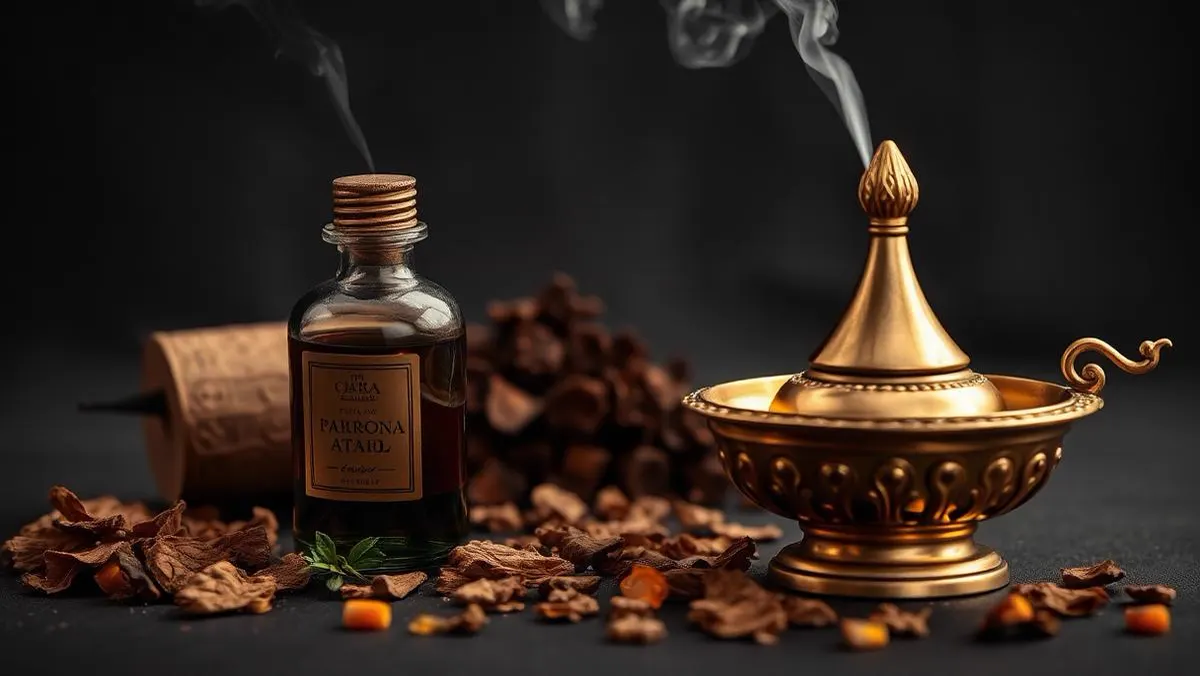
The best Arabic perfumes are known for bold **oud**, rich amber, and staying power that Western fragrances rarely match. From attars to modern oud sprays, this guide covers what makes Arabic perfumery distinct, which houses to know, and how to pick a bottle that suits your taste, budget, and how much **projection** you actually want.
Quick answer: where to start with Arabic perfumery
Arabic perfumery is a genuinely different tradition to French or Italian perfumery, built on different raw materials and different expectations around sillage and longevity. Understanding that difference makes it much easier to choose a bottle you will actually enjoy wearing rather than one that just looks impressive on a shelf.
What sets the best Arabic perfumes apart
Arabic perfumery has a completely different starting point to Western fragrance. Where French perfume houses often build around lighter florals and citrus openings, Arabic perfumes lean into dense, resinous materials from the very first spray. Oud, amber, saffron, rose, and musk are the backbone, and they are used generously rather than sparingly, which is exactly why the category has such a reputation for projection.
This is partly cultural. Oud, the resin produced by agarwood trees, has been used across the Middle East for centuries for its smoky, animalic depth, and it remains the signature note of the region. Rose is also central, especially Taif rose from Saudi Arabia, prized for being sweeter and more intense than typical damask rose grown elsewhere.
Concentration is another difference. Many Arabic perfumes are sold as attars or oil-based perfumes rather than alcohol sprays, which changes how they sit on skin and how long they last, often for a full day or more without reapplication.
Brands to know for the best Arabic perfumes
There are a handful of names that consistently come up when people talk about authentic, high-quality Arabic perfumery, alongside newer brands making the category more accessible worldwide.
- Amouage - an Omani house that produces some of the most respected oud and incense-heavy fragrances in the world, sitting firmly in the luxury bracket.
- Ajmal - one of the biggest Arabic perfume houses, known for accessible oud, amber, and musk blends across a wide price range.
- Lattafa - a Dubai-based brand that has become globally popular for affordable oud, saffron, and vanilla compositions.
- Rasasi - known for long-lasting, well-balanced fragrances that blend Arabic and Western sensibilities.
Specific bottles worth trying
- Amouage Interlude Man or Woman - smoky, spicy, and unmistakably rich from the first spray.
- Lattafa Ameer Al Oudh - saffron, oud, and vanilla in an accessible bottle that punches above its weight.
- Ajmal Amber Wood - a warm, approachable amber-oud blend for daily wear.
- Rasasi Hawas - a fresh yet long-lasting option for people new to the category.
Arabic perfumery does not whisper. It is designed to be noticed, to fill a room, and to last from morning prayer through to evening without a single reapplication.
Comparing the top Arabic perfume picks
| Fragrance | Format | Intensity | Best for | Character |
|---|---|---|---|---|
| Amouage Interlude | EDP | Very high | Luxury seekers | Smoky incense, spice |
| Lattafa Ameer Al Oudh | EDP | High | Budget buyers | Saffron, oud, vanilla |
| Ajmal Amber Wood | EDP | Medium-high | Beginners | Warm amber-oud |
| Rasasi Hawas | EDP | Medium | Beginners | Fresh, balanced, long lasting |
Understanding oud in the best Arabic perfumes
Oud is the single most important note to understand if you are exploring Arabic perfumery. It comes from agarwood trees that have been infected by a specific mould, which triggers the tree to produce a dark, fragrant resin as a defence mechanism. Genuine oud is expensive to harvest, which is why many modern perfumes use synthetic oud accords instead, especially at lower price points.
Oud smells smoky, leathery, and slightly sweet, with variations depending on where the wood is sourced. Cambodian oud tends to be sweeter, while Indian oud is often darker and more animalic. If you are new to oud, start with a blended composition like Ajmal Amber Wood rather than a pure oud attar, which can be genuinely intense for an untrained nose.
How to tell synthetic oud from natural oud
Natural oud tends to smell rounder, slightly barnyard-like, and shifts character noticeably over several hours. Synthetic oud accords, common in budget bottles, smell more consistent and a touch sweeter throughout the wear, with less of the raw, animalic edge. Neither is objectively better, it comes down to what you personally find appealing.
Attars versus alcohol-based sprays
Attars are oil-based perfumes, traditionally free from alcohol, applied directly to skin in small amounts. Because they are oil-based, they tend to last significantly longer than alcohol sprays and develop more slowly over the day, changing character as your body heat works on them gradually.
Alcohol-based Arabic perfumes, which is what most Western buyers are familiar with, project more immediately and are easier to layer with other scented products. Both have their place. If you want a long, slow-burning scent for personal enjoyment, try an attar. If you want something that fills a room from the first spray, a concentrated EDP is the better choice.
How to choose the right Arabic perfume for you
Start by identifying whether you prefer sweet, smoky, or fresh directions within the oud and amber family. Sweet leans towards vanilla and amber, smoky leans towards oud and incense, and fresh leans towards saffron and citrus paired with a lighter oud base.
- Decide whether you want an attar (slow, long-wearing, personal) or a spray (immediate, high projection).
- Pick a broad family: sweet amber, smoky oud, or fresh saffron-citrus.
- Start with an accessible blend from Ajmal or Rasasi before trying a pure oud composition.
- Once you know your preferred family, move up to Lattafa for bigger projection or Amouage for luxury depth.
Budget versus luxury in Arabic perfumery
One of the appealing things about Arabic perfumes is how well the budget end performs compared to Western budget perfumes. Lattafa in particular has built a reputation for smelling far more expensive than its price bracket suggests, largely because Arabic perfumery culture prioritises rich raw materials even at accessible price points.
At the luxury end, Amouage remains the benchmark, using genuine oud and high-grade Taif rose in complex compositions that easily rival anything from Creed or Tom Ford, and often outlast both for sheer wear time.
What to do next
If you are new to this category, start with an accessible oud-amber blend from Ajmal or Lattafa before working your way up to something like Amouage. Pay attention to how the scent develops over several hours rather than just the opening spray, since that slow evolution is where Arabic perfumery really shines and where its reputation for staying power comes from.
How to properly test an Arabic perfume before committing
Testing Arabic perfumes the way you would test a light citrus EDT will give you the wrong impression almost every time. Because the category leans so heavily on oud, resins, and dense florals, the first few minutes on skin often smell nothing like the fragrance will smell an hour later. Spraying and sniffing immediately, then moving on, is the single biggest reason people write off a bottle they might have actually loved once it settled.
Apply a proper test dose to your wrist or forearm rather than a card, since skin chemistry changes how oud and amber develop, sometimes dramatically. Give it at least 30 to 60 minutes before forming an opinion, and ideally wear it for a full day if you are considering buying a full bottle. Attars in particular need patience, as their oil base means they can take considerably longer to bloom fully than an alcohol-based spray.
It also helps to test in a room-temperature environment rather than somewhere very warm or air-conditioned, since both extremes can distort how much a fragrance projects. If you can, test two or three candidates on different days rather than layering them on the same arm, since strong Arabic perfumes can easily overwhelm your sense of smell after the first one.
Common mistakes people make with Arabic perfumes
The most frequent mistake is overspraying. Because so many Arabic perfumes are formulated for heavy projection, two or three sprays is often genuinely plenty, especially with an EDP or attar. People used to Western fragrances sometimes apply their usual six or seven sprays out of habit and end up with something that reads as overpowering in enclosed spaces like offices or cars.
Another common error is dismissing a fragrance too quickly because the opening feels intense or unfamiliar. Saffron, oud, and heavy florals can smell sharp or medicinal in the first few minutes to a nose used to citrus and aquatic notes, but that impression usually softens considerably as the composition settles into its drydown.
Finally, many buyers assume price directly reflects quality, and end up overlooking excellent budget options from Lattafa or Ajmal in favour of an expensive bottle that does not actually suit their taste. In Arabic perfumery specifically, the gap between budget and luxury is smaller than in most Western fragrance categories, so it pays to trust your nose over the price tag.
Arabic perfume note families at a glance
| Direction | Key notes | Example | Best for |
|---|---|---|---|
| Sweet amber | Amber, vanilla, benzoin | Ajmal Amber Wood | Everyday warmth, beginners |
| Smoky oud | Oud, incense, leather | Amouage Interlude | Evenings, experienced wearers |
| Fresh saffron | Saffron, citrus, light oud | Rasasi Hawas | Daytime, hot climates |
| Rose-oud | Taif rose, oud, musk | Lattafa Ameer Al Oudh | Special occasions |
Frequently asked questions
- What are the best Arabic perfumes for beginners?
- Rasasi Hawas and Ajmal Amber Wood are good starting points because they blend oud and amber with more familiar, wearable structures, rather than throwing you straight into an intense pure oud attar.
- Why do Arabic perfumes last longer than Western ones?
- Many are formulated as oil-based attars or use higher concentrations of resinous notes like oud and amber, which evaporate more slowly than the lighter citrus and floral notes common in many Western fragrances.
- What is oud and why is it used so much in Arabic perfumery?
- Oud is a fragrant resin produced by agarwood trees in response to a specific mould infection. It has a smoky, leathery, slightly sweet smell and has been central to Middle Eastern perfumery for centuries.
- Is Lattafa a good Arabic perfume brand?
- Yes, Lattafa is widely regarded as offering strong quality for its price bracket, particularly its oud, saffron, and amber compositions, making it a popular entry point into Arabic perfumery for newcomers.
- What is the difference between an attar and a regular perfume?
- An attar is oil-based and typically alcohol-free, applied in small amounts directly to skin, and tends to last longer and develop more slowly than an alcohol-based spray, which projects more immediately.
- Are Arabic perfumes suitable for everyday wear?
- Some are, especially lighter blends like Rasasi Hawas, but many of the most famous ones are intentionally bold and better suited to evenings or special occasions where a stronger scent trail is welcome.
- Do Arabic perfumes contain real gold or expensive ingredients?
- Genuine oud and Taif rose used by houses like Amouage are genuinely costly to source, which is reflected in luxury pricing, but most accessible Arabic perfumes rely on high-quality synthetic accords rather than rare naturals.
- How many sprays of Arabic perfume should I use?
- Two to three sprays is usually enough for an EDP or attar, since Arabic perfumes are formulated for strong projection. Start light, wait 20 minutes, and add another spray only if you genuinely cannot smell it on yourself.
Keep reading
Men
Best Long Lasting Perfumes for Men That Actually Last 12 Hours
We wore each of these on skin for a full day and wrote down the hour they disappeared. These are the men's fragrances that refused to quit.
Oud
Oud Perfumes Guide: How to Wear Oud Without Overpowering a Room
Oud is the most expensive raw material in perfumery. This guide explains why, and which bottles are worth trying first.
Value
Niche vs Designer Perfume: Which Is Actually Worth It?
Niche is not automatically better. It is different, and the difference is worth understanding before you spend.