
Value
Niche vs Designer Perfume: Which Is Actually Worth It?
Niche is not automatically better. It is different, and the difference is worth understanding before you spend.
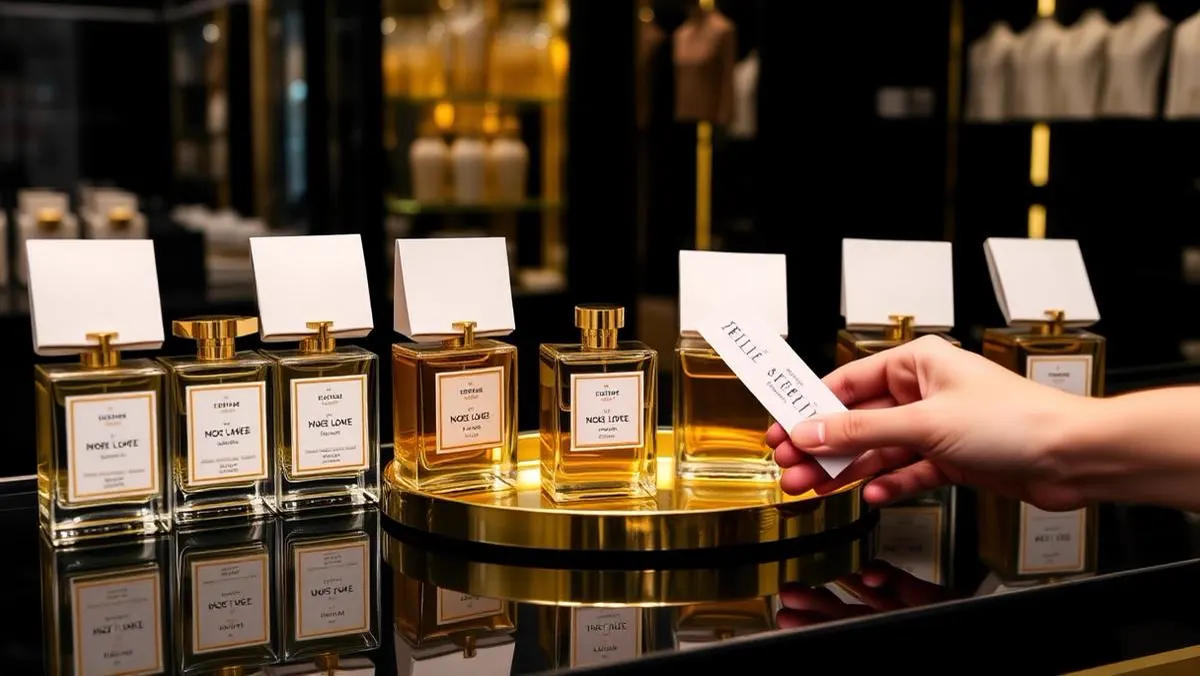
If you have ever stood in a shop torn between a familiar designer bottle and a strange, expensive niche one, you are not alone. The **niche vs designer perfumes** debate comes up constantly, and the honest answer is that neither side always wins. Here is how to work out which one actually suits you, your skin and your budget.
Quick answer: niche vs designer perfumes
Most people who fall down the fragrance rabbit hole end up owning a mix of both. The trick is understanding what you are actually paying for in each category, rather than assuming price alone tells you about quality.
What is the real difference between niche vs designer perfumes
Designer perfumes come from big fashion houses like Dior, Chanel, Armani or YSL. They are made to appeal to a wide audience, tested on huge focus groups, and sold in department stores everywhere. Niche perfumes come from smaller houses such as Amouage, Maison Francis Kurkdjian or Parfums de Marly, and they are built around a specific idea rather than mass appeal.
That does not mean niche is automatically better. It means the goals are different. A designer brand wants a scent that most people will like a bit. A niche house often wants a scent that a smaller group of people will love a lot. Neither approach is wrong, it just changes what you should expect on your skin.
Price is the other obvious split. Designer bottles usually sit in the budget to mid price bracket, while niche perfumes tend to sit in the mid to luxury bracket. You are often paying for rarer materials, smaller batches and more expensive packaging, though not always in equal measure. A high price does not guarantee a better scent, so trust your nose over the label.
Where the lines blur
Some houses sit awkwardly between the two camps. Creed markets itself as niche but has grown large enough that it behaves more like a premium designer brand in terms of distribution. Meanwhile a handful of designer flanker lines borrow niche-style unusual notes to chase a younger crowd. The label on the shelf is a rough guide, not a strict rulebook, so judge each bottle on its own merits rather than assuming the category tells you everything.
How ingredients and concentration differ
Designer houses work within strict cost limits, because they are producing hundreds of thousands of bottles. That pushes them towards synthetic materials like ambroxan and iso e super, which smell great and last well but cost very little. There is nothing wrong with synthetics, some of the most loved fragrances of the last decade lean on them heavily.
Niche brands have more room to use natural absolutes, rare oud, or unusual accords that would be too costly for a mass market bottle. This is why niche fragrances often smell more unusual or more layered. You are not always getting better quality, but you are usually getting different choices, and that difference is where a lot of the appeal lives.
- Designer: consistent, familiar, easy to wear, often EDT strength
- Niche: experimental, distinctive, sometimes polarising, often EDP or extrait strength
- Both: can use synthetic and natural materials, quality varies by brand not just by category
Niche vs designer perfumes compared
| Factor | Designer | Niche |
|---|---|---|
| Typical concentration | EDT or EDP | EDP or extrait |
| Ingredient style | Mostly synthetic, cost controlled | More naturals, rarer materials |
| Availability | Widely stocked, easy to sample | Limited, sometimes brand boutiques only |
| Price band | Budget to mid range | Mid range to luxury |
| Best for | Everyday wear, beginners | Signature scents, special occasions |
Longevity and projection compared
People assume niche always lasts longer, but that is not a fixed rule. Concentration matters more than the niche or designer label. A niche EDT can fade faster than a designer EDP. Check the concentration on the box rather than trusting the brand name alone.
That said, niche houses do tend to use richer bases like tonka, oud and heavy woods, which naturally cling to skin longer than the light citrus openings common in designer fresheners. If long wear matters to you, look at the note list as much as the brand tier. A fragrance built around vanilla and amber will generally have better longevity than one built around bergamot and grapefruit, regardless of which shelf it came from.
Sillage and projection follow a similar pattern. Niche fragrances aimed at making a statement often push projection deliberately hard in the first hour, then settle into a closer skin scent. Designer perfumes tend to keep projection moderate and steady throughout, which suits office and daytime settings better.
Who should buy designer perfumes
If you are new to fragrance, designer is a sensible place to start. You can smell a bottle in almost any shopping centre, compare it against things you already know, and build confidence before spending more. Brands like Dior, Armani and YSL make dependable, well built scents that suit office wear, dates and everyday errands without asking too much of your budget.
Good starting points
- Someone who wants a scent people instantly recognise and compliment
- Someone who wears fragrance daily and does not want to overspend per wear
- Someone still working out which note families they actually enjoy
Who should try niche perfumes
Niche makes more sense once you already know your preferences. If you love oud but find most designer oud too thin, or you want something nobody else in the room is wearing, niche houses like Amouage or Maison Francis Kurkdjian are built for exactly that. You are paying partly for rarity, not just for the juice in the bottle.
Niche is not about spending more, it is about spending on purpose.
It is also worth trying niche if you find designer fragrances all start to smell similar after a while. That flatness usually means you have outgrown the mainstream formulas and want more texture or an unusual structure. Many people describe this as hitting a wall with designer scents around year two or three of getting into fragrance seriously, at which point niche starts to feel less like an indulgence and more like a natural next step.
Dupes and the middle ground
There is a growing middle tier worth mentioning here too. Brands like Lattafa and Ajmal make Arabic and oud leaning perfumes at designer prices, and some perfume dupes chase the DNA of famous niche scents at a fraction of the outlay. These are not niche in the traditional sense, but they let you test whether you actually like a style before committing to a full price niche bottle.
Just be realistic about what a dupe can and cannot do. It might capture the top notes fairly well, but the drydown, the blending quality and the longevity are usually where the real niche houses pull ahead. Think of a dupe as a rough sketch of the original rather than a copy, useful for deciding if a style suits you at all.
How to decide: a step by step approach
- List the note families you already know you enjoy, based on scents you have worn before
- Sample a designer option in that family first, since it is cheaper and easier to find
- Wear it for a full week to see how it behaves on your own skin, not just on paper
- If it feels flat or unremarkable after a week, look for a niche house working in the same family
- Compare the niche and designer versions side by side before committing to a full bottle
How we compared niche vs designer perfumes
We tested both categories the same way: worn for a full day, on skin rather than paper, in normal weather, and checked again after six and ten hours. We paid attention to how the scent evolved, not just how it smelled in the first five minutes, since that first impression is where designer fragrances are deliberately strongest.
- Applied two sprays to pulse points, no other scented products worn that day
- Noted compliments and reactions from people nearby, since projection matters in real life
- Compared cost per wear, not just the bottle price, across a typical thirty day period
What to do next
Do not treat niche vs designer perfumes as a competition you have to pick a winner in. Try a designer classic you can sample cheaply, then try one niche house known for a style you already like. Wear each for a full week before judging. Your nose adjusts over time, and the fragrance that felt ordinary on day one sometimes becomes the one you reach for the most.
Frequently asked questions
- Is niche perfume always better than designer perfume?
- No. Niche perfumes are often more distinctive and use pricier materials, but designer perfumes can be extremely well made too. Quality depends on the specific bottle and how it wears on your skin, not the category it belongs to.
- Why is niche perfume so expensive?
- Niche brands produce smaller batches, often use rarer ingredients like natural oud or absolutes, and spend more on packaging and marketing per bottle. You are paying for scarcity and craftsmanship as well as raw materials.
- Do niche perfumes last longer than designer perfumes?
- Not automatically. Longevity depends more on concentration, EDT versus EDP versus extrait, and the note families used, than on whether a perfume is labelled niche or designer.
- Can I find dupes of niche perfumes?
- Yes, plenty of perfume dupes chase popular niche scents. They can be a useful way to test whether you like a style before spending more, though the full depth of the original is rarely matched in the drydown.
- Should a beginner start with niche or designer perfume?
- Start with designer. It is easier to sample, cheaper to experiment with, and helps you learn which notes you actually enjoy before you invest in pricier niche perfumes.
- What is the price difference between niche and designer perfumes?
- Designer perfumes generally sit in a budget to mid price bracket, while niche perfumes usually sit in a mid to luxury bracket, though there is meaningful overlap depending on the brand and bottle size.
- Do niche perfumes get more compliments than designer perfumes?
- Not necessarily. Designer perfumes are formulated to be broadly likeable, so they often get more casual compliments, while niche scents tend to draw fewer but more curious or specific reactions.
- Is it worth buying niche perfume as a first fragrance?
- It can be, if you already know you enjoy an unusual note family like oud or heavy amber, but most beginners get more value learning their preferences through cheaper designer bottles first.
Keep reading
Luxury
Luxury Perfumes Worth Buying (and the Ones That Are Not)
Some luxury bottles earn every pound. Others sell a box. Here is how to tell them apart before you pay.
Value
Best Perfume Dupes: Clones That Get Genuinely Close
A good dupe is not a copy. It is a scent that gives you eighty percent of the experience for a fraction of the price.
Basics
Perfume for Beginners: The Only Guide You Need to Start
Start here. Every term, every mistake to avoid and a clear path to your first bottle that you will actually finish.