
Value
Best Perfume Dupes: Clones That Get Genuinely Close
A good dupe is not a copy. It is a scent that gives you eighty percent of the experience for a fraction of the price.
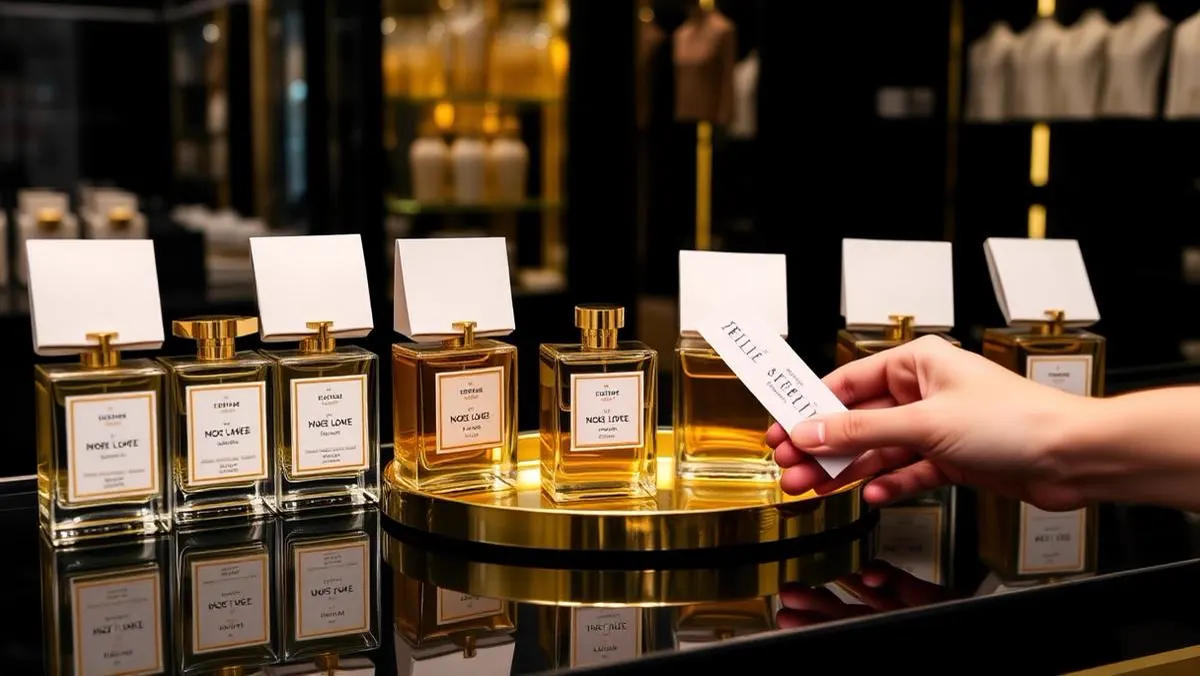
Hunting for the best perfume dupes is one of the smartest ways to explore fragrance without spending a fortune. A good dupe copies the mood of a luxury scent using similar notes, so you get a very close version of the vibe on your skin for a fraction of the retail price. This guide covers which houses do it well, how to tell a decent dupe from a bad one, and what to actually expect from longevity and sillage once you commit to a bottle.
Quick answer: are perfume dupes worth it
Yes, if you buy from the right houses. The best perfume dupes come from brands that specialise in this space rather than random unbranded sellers, and they use similar note families and reasonable concentrations to get close to the original's opening and heart. You will not get a perfect molecule for molecule match, but you will get a scent that reads the same way in a room, often at a completely different price point.
What is a perfume dupe, really
A dupe is a fragrance built to smell close to a well known scent, usually a designer or niche release, without copying the exact formula. Perfumers work from the same note families, things like bergamot, vanilla, ambroxan or oud, and blend them so the result lands in a similar territory. It will rarely be a perfect match, but a well made one gets close enough that most people cannot tell the difference in passing, especially once it has settled into the drydown.
The best perfume dupes are not cheap knockoffs sold in dodgy packaging. They are legitimate fragrances from brands who specialise in this space, and many of them are genuinely well composed. Some are inspired by a single famous scent, others are built around a note profile that several luxury houses share, like an amber gourmand or a fresh aquatic accord.
It helps to think of dupes the way you think of high street fashion copying runway trends. Nobody expects an exact replica, just something that captures the feeling for a lot less money. That is exactly what a good fragrance dupe should do, and it is why the category has grown so quickly over the last decade rather than staying a niche curiosity.
Why people look for the best perfume dupes
Luxury perfume prices have climbed a lot in the last few years, and a single bottle from a house like Creed, Parfums de Marly or Maison Francis Kurkdjian can sit firmly in luxury territory. Not everyone wants to commit that much money before they even know how a scent wears on their own skin chemistry, which changes the result far more than most people expect.
Dupes let you test a style cheaply, work out if you actually like wearing it day to day, and build a small collection without guilt. They are also handy for holidays, festivals or gym bags, situations where you do not want to risk your good bottle getting lost, spilled or damaged in transit.
A dupe is not about pretending to wear something you cannot afford. It is about testing a style before you commit to it properly.
Brands known for good dupes
Lattafa is probably the name most people mention first, and for good reason. The Arabic perfume house has built a huge following on scents that echo big luxury releases, often with oud, amber and sweet spice at the centre. Their quality control has improved a lot over the years, and several of their releases now stand on their own merit rather than just being copies of something else.
- Lattafa - known for oud and amber inspired scents with strong projection
- Armaf - clean, wearable takes on popular designer structures
- Zara - surprisingly decent budget interpretations of niche and designer scents
- Ajmal - Middle Eastern house with rich, long lasting oud and amber blends
- Al Haramain - value focused oriental and gourmand dupes
It is worth noting that not every release from these houses is a direct dupe. Many are original compositions that simply sit in a similar note family to something more expensive, which is exactly what makes them useful rather than embarrassing to wear on their own terms.
How to spot a good dupe versus a bad one
The easiest test is longevity and projection. A cheap dupe that vanishes in twenty minutes is not doing its job, no matter how close the opening smells to the original. Look for reviews that mention wear time specifically, not just the first impression out of the bottle, since that first impression is often the easiest part to fake.
Ingredient quality matters more than most people assume. Synthetic materials like iso e super and ambroxan are used in both luxury and budget perfumes, so cheap does not automatically mean poor quality. What separates a good dupe from a bad one is usually the balance of the blend and the concentration used, not the price of the raw materials themselves.
Quick checklist before you buy
- Check reviews mention at least four to six hours of wear
- Look for a note list that matches the original's key accords
- Confirm whether it is an EDP or EDT, since concentration affects both longevity and price
- Avoid anything sold without a proper brand name or batch details
- Read a handful of independent reviews, not just the seller description
How we tested and compared scents
When we compare a dupe to its inspiration, we wear both on the same day, one on each arm, and check in at the fifteen minute mark, the two hour mark and the six hour mark. This shows how closely the opening, heart and base match up, rather than just judging from a first sniff in the bottle, which tells you almost nothing about the finished drydown.
We also pay attention to how the scent behaves in different temperatures. A dupe that smells identical indoors can behave completely differently in the heat, since cheaper synthetics sometimes turn sharper or thinner as the day goes on, whereas better blends hold their shape more consistently.
Designer dupes versus niche dupes
Designer scents from houses like Dior, YSL and Armani tend to be easier to dupe well, because their formulas often lean on a handful of clear, recognisable notes. Niche and luxury releases from Amouage or Tom Ford can be trickier, since they often use rarer materials or unusual blending techniques that are harder to replicate cheaply without losing character.
That said, some of the best perfume dupes on the market today are aimed squarely at niche releases, particularly oud heavy or amber gourmand scents, because Middle Eastern perfume houses have decades of experience working with those exact materials and often use genuinely good raw ingredients themselves.
Comparing popular dupe houses at a glance
| House | Best known for | Typical concentration | Longevity |
|---|---|---|---|
| Lattafa | Oud and amber blends | EDP | Strong, often 6-8 hours |
| Armaf | Designer-style florals and fresh scents | EDP/EDT | Moderate, 4-6 hours |
| Ajmal | Rich Middle Eastern oud and amber | EDP | Very strong, 8+ hours |
| Al Haramain | Oriental and gourmand blends | EDP | Moderate to strong |
When it is worth buying the original instead
If a scent becomes your daily signature, one you wear constantly for work, dates and everything in between, it might be worth eventually upgrading to the original. Some people also simply enjoy the ritual of a well designed bottle and the story behind a luxury house, and that experience is not something a dupe can fully replace no matter how close the juice smells.
Dupes work best as a stepping stone. Use them to figure out which note families you actually enjoy wearing, whether that is woody fragrances, oud perfumes or something lighter and citrus led, and let that guide any bigger purchase later on once your taste is clearer.
Final thoughts on finding the best perfume dupes
There is no shame in wearing a dupe. Some of the best perfume dupes available now are well blended, long lasting and genuinely enjoyable to wear on their own terms. Start with a known house like Lattafa or Armaf, check reviews for wear time, and treat the whole process as a way to learn what you actually like before you spend more on the original.
Frequently asked questions
- What are the best perfume dupes for oud scents
- Lattafa and Ajmal both make strong oud focused dupes that echo pricier Arabic and niche perfumes. Look for releases with amber, saffron and rose alongside the oud, since that combination tends to signal a more carefully blended scent rather than a one note copy of the original.
- Are perfume dupes actually good quality
- Many are. Quality varies by brand and release, but houses like Lattafa and Armaf have improved significantly and now use decent concentrations and materials. The key is checking reviews for longevity, since that is usually where budget dupes fall short compared to the original scent.
- How close do dupes actually smell to the original
- A good dupe will capture the overall mood and main notes closely enough that most people cannot tell the difference in passing. It is rarely a perfect match, but the opening and heart notes often line up well, with more variation showing up in the base as it dries down over several hours.
- Is it legal to sell perfume dupes
- Yes, as long as the brand does not copy trademarked names, bottle designs or packaging. Dupe houses create their own formulas inspired by a scent's note profile, which is legal, and give them their own product names rather than pretending to be the original brand.
- Where can I find reliable reviews for perfume dupes
- Fragrance community forums and blogs that test wear time and projection are more useful than seller listings. Look for reviews that describe how the scent changes over several hours, since that tells you far more about quality than a quick description of the opening notes alone.
- Do perfume dupes use the same ingredients as designer perfumes
- Often, yes, at least in part. Many synthetic materials like ambroxan and iso e super are shared across budget and luxury fragrances alike. What usually differs is the ratio of ingredients and the overall concentration, not necessarily the raw materials themselves.
- Can perfume dupes cause skin irritation
- Any fragrance, dupe or designer, can irritate sensitive skin depending on the materials used. Reputable dupe houses list ingredients and follow standard safety regulations, so the risk is not inherently higher than with a luxury brand, though patch testing is always sensible.
Keep reading
Oud
Best Arabic Perfumes: Oud, Amber and Bakhoor Worth Wearing
Arabian perfumery is built on oud, amber and patience. Here is where to start, whatever your budget.
Value
Best Budget Perfumes That Smell Far More Expensive Than They Are
Spending less does not mean smelling worse. These bottles cost little and perform like designer releases.
Value
Niche vs Designer Perfume: Which Is Actually Worth It?
Niche is not automatically better. It is different, and the difference is worth understanding before you spend.