
Seasonal
Best Summer Perfumes: Fresh Scents That Survive the Heat
Heat amplifies everything. These summer fragrances stay crisp when the temperature climbs past thirty degrees.
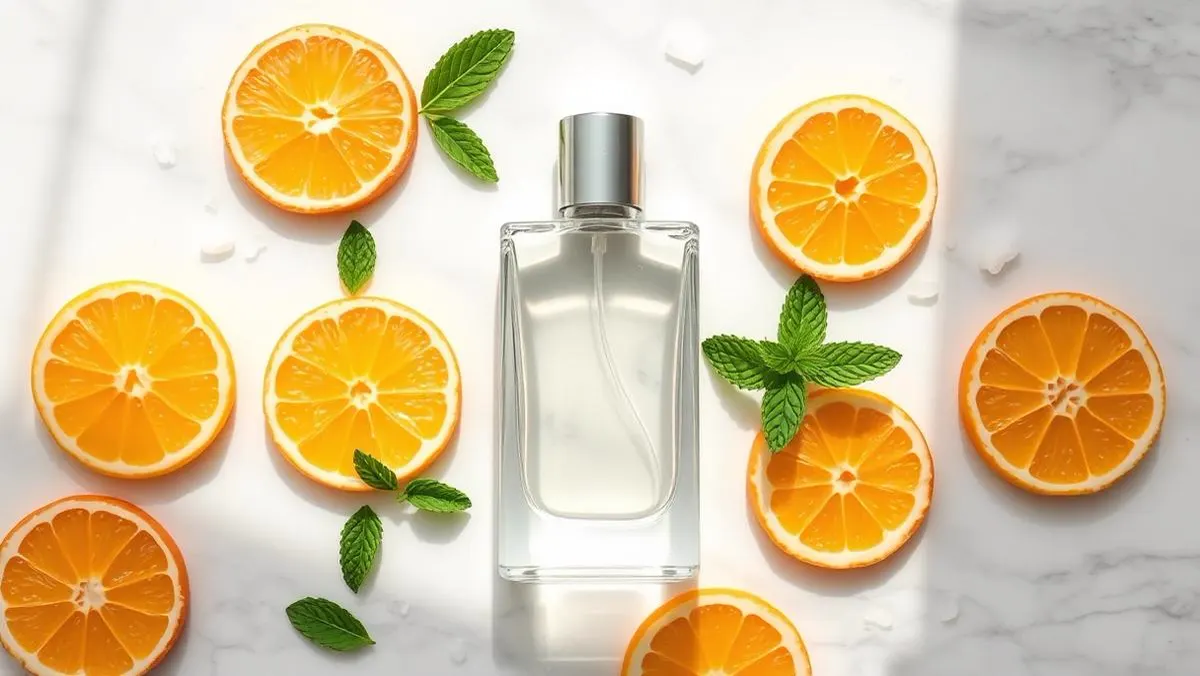
Heavy, heat-trapping fragrances can feel overwhelming once temperatures rise, which is why the best summer perfumes lean light, citrusy, and fresh. This guide covers the notes that work best in warm weather, specific bottles worth trying, and how heat changes **projection** and **longevity** for any perfume on your skin.
Quick answer: the best summer perfumes
The common thread is a citrus or aquatic backbone with a light concentration. That combination keeps the fragrance from becoming overpowering once the temperature climbs and your skin starts amplifying every note in the composition.
Why the best summer perfumes are built differently
Heat changes how fragrance behaves on skin. Warmer temperatures speed up evaporation, which means top notes burn off faster and base notes project more strongly and more quickly than they would in cold weather. A heavy oud or amber fragrance that feels comfortable in December can feel suffocating in July, both to you and to people standing near you.
This is why the best summer perfumes tend to favour lighter structures. Citrus, aquatic, and green notes are more common because they read as clean and refreshing even as heat intensifies their projection. Heavier notes like vanilla and amber are not banned from summer wear, but they work best in smaller amounts or lighter concentrations during warm months.
Sweat also interacts with fragrance differently than people expect. Rather than masking sweat, a poorly chosen heavy perfume can clash with it and create an unpleasant combination. Lighter, cleaner scents tend to sit better alongside natural body odour in the heat, which is one reason colognes remain a summer staple.
Notes to look for in the best summer perfumes
Certain notes consistently perform well in warm weather because they either smell inherently cooling or because they do not become overpowering as heat amplifies projection.
- Bergamot and other citrus notes, which read as bright and clean in heat.
- Marine and aquatic accords, which give a cool, breezy impression.
- Green notes like fig leaf and grass, which feel fresh rather than sweet.
- Light musks and clean woods, which add depth without weighing the fragrance down.
Best summer perfumes worth trying this year
We tested each of these outdoors in warm weather over several hours to see how they projected and developed as the temperature rose through the day.
For everyday summer wear
- Jo Malone London Lime Basil & Mandarin - a citrus-herbal cologne that feels crisp without being sharp.
- Dior Eau Sauvage - a classic bergamot-forward fragrance built specifically for warm weather wear.
- Acqua di Parma Colonia - clean citrus and lavender that has been a summer staple for decades.
For a bit more depth
- Chanel Bleu de Chanel EDT - citrus and woody notes that stay fresh rather than heavy, even in the heat.
- Creed Aventus - fruity and smoky, but light enough in its EDT form to work well in summer.
- Armani Acqua di Gio - a marine classic that practically defines the modern summer fragrance category.
In warm weather, less is genuinely more. A light citrus fragrance applied twice during the day will smell better than a heavy oud applied once and left to bake.
Comparing the top summer perfume picks
| Fragrance | Concentration | Depth | Best occasion | Character |
|---|---|---|---|---|
| Jo Malone Lime Basil & Mandarin | Cologne | Light | Daytime/office | Citrus, herbal |
| Dior Eau Sauvage | EDT | Light | Daily wear | Bergamot, lavender |
| Acqua di Parma Colonia | EDC | Light | Daily wear | Citrus, lavender |
| Bleu de Chanel EDT | EDT | Medium | Work/evening | Citrus, woody |
| Acqua di Gio | EDT | Medium | Daily/beach | Marine, aquatic |
EDT or EDP: which suits summer better
Eau de toilette is often the better choice for summer because its lighter concentration means it projects less aggressively as heat amplifies the scent. An EDP with the same notes can feel far heavier and more cloying once the temperature rises, even though it might feel perfectly balanced in cooler weather.
That said, some lighter EDPs, especially those built around citrus or aquatic notes rather than amber or oud, still work well in summer. The concentration matters less than the actual note structure underneath it.
How to apply perfume for the best results in hot weather
Application in summer works a little differently than in winter, mainly because heat makes fragrance project further with less product.
- Use fewer sprays than you would in cold weather, since heat naturally amplifies projection.
- Apply to pulse points rather than all over, to avoid overwhelming people around you.
- Keep a travel-size bottle for a light reapplication in the afternoon rather than piling on more in the morning.
- Store your perfume away from direct sunlight and heat, which can degrade the formula faster in summer.
Budget-friendly summer fragrances
You do not need a luxury bottle to smell great in summer. Plenty of budget and mid-range brands do citrus and aquatic notes well, since these are relatively inexpensive materials to formulate with compared to natural oud or rare florals. Look for anything marketed as a cologne or citrus EDT for an easy, affordable summer option.
What to do next
Swap your heavier winter fragrance for something citrus or aquatic based for the next few months, and pay attention to how it performs once you are actually outside in the heat rather than just testing it indoors. The real test of a summer perfume is how it behaves after an hour in the sun.
How to test a perfume properly before wearing it all summer
Testing indoors under air conditioning tells you very little about how a fragrance will actually behave once you step outside into real heat. Air conditioning slows evaporation in a similar way to cold weather, so a perfume can smell restrained and pleasant on the testing counter, then turn noticeably stronger and sweeter the moment you walk into direct sun. Whenever possible, apply a test spray and go outside for at least twenty minutes before deciding whether a scent works for you.
It also helps to test at the time of day you actually plan to wear the perfume. A fragrance tested in a cool morning will project differently to one tested during peak afternoon heat, when your skin temperature is higher and evaporation happens fastest. Body heat genuinely changes how quickly notes release, so a midday test is the most realistic way to judge a summer fragrance.
Finally, resist testing more than two fragrances in one outing. Heat makes your nose fatigue faster, and a strong citrus or aquatic scent can mask the next one you try. If you are deciding between a shortlist, spread your testing across separate days rather than layering candidates on the same arm.
Common summer perfume mistakes to avoid
The most common mistake is treating summer application exactly like winter application, applying the same number of sprays without accounting for how much heat amplifies projection. What feels like a modest amount on a cool morning can feel genuinely overpowering by mid-afternoon once the sun has warmed your skin and sped up diffusion.
Another mistake is assuming any light fragrance is automatically summer-appropriate. Some pale, delicate florals can actually turn sour or synthetic-smelling once mixed with sweat and heat, because their molecules were never designed to hold up under those conditions. Genuinely well-built citrus and aquatic fragrances are formulated with that heat interaction in mind, which is why they tend to outperform delicate florals outdoors.
People also frequently forget that sunscreen and SPF products carry their own scent, which can clash with a delicate fragrance. If you wear sunscreen daily in summer, lean towards fresher, more robust citrus or aquatic scents that can hold their own against it, rather than something subtle that will simply get lost underneath.
Summer fragrance families compared
| Family | Key notes | Example | Best for |
|---|---|---|---|
| Citrus cologne | Bergamot, lemon, neroli | Acqua di Parma Colonia | Office, daily wear |
| Aquatic | Marine accord, sea notes | Acqua di Gio | Beach, outdoor days |
| Green herbal | Basil, fig leaf, grass | Lime Basil & Mandarin | Casual daytime |
| Light woody | Cedar, vetiver, light musk | Bleu de Chanel EDT | Evenings, smart-casual |
Frequently asked questions
- What type of perfume is best for summer?
- Light, citrus-based, or aquatic fragrances work best in summer because heat amplifies projection, and lighter notes stay refreshing rather than becoming overwhelming as the temperature rises through the day.
- Should I wear less perfume in summer?
- Yes, generally. Heat speeds up evaporation and increases projection, so a couple of sprays in summer will often smell as strong as several sprays would in cooler weather.
- Are heavy perfumes bad for summer?
- Not strictly bad, but heavy notes like oud and amber can feel overwhelming in heat both to you and to people nearby. If you love a heavier scent, try applying it more sparingly during summer months.
- What is the best long lasting summer perfume?
- Chanel Bleu de Chanel EDT and Creed Aventus both hold up well through warm days without feeling heavy, combining citrus freshness with enough woody depth to last several hours.
- Does hot weather make perfume go off faster?
- Yes. Heat and sunlight can break down fragrance molecules over time, so store your bottles somewhere cool and dark, ideally in a drawer or cupboard rather than on a sunny windowsill.
- Can I wear the same perfume all year round?
- You can, but be prepared to adjust how much you apply. Many people find their favourite scent needs fewer sprays in summer and a heavier hand in winter to achieve a similar level of projection.
- What is the difference between a cologne and an EDT for summer wear?
- Cologne (EDC) has the lowest concentration of perfume oil, usually under 5 percent, making it even lighter than an EDT. This makes traditional colognes an especially good match for very hot climates or humid days.
- Why does my perfume smell different in summer than winter?
- Heat speeds up evaporation, so top notes burn off faster and base notes project sooner and more strongly. A fragrance that felt balanced in cold weather can smell sweeter or more intense once temperatures rise, even without changing how much you apply.
Keep reading
Seasonal
Best Winter Perfumes: Warm, Cosy Scents for Cold Weather
Cold air swallows delicate scents. These winter fragrances are built with enough warmth to push through it.
Families
Citrus Fragrances Guide: Why They Fade and How to Fix It
Citrus is the easiest scent family to love and the hardest to make last. Here is how perfumers solve that problem.
Seasonal
Best Fresh Perfumes for Everyday Wear, Ranked by Versatility
Not every day needs a statement. These are the easy, clean bottles you can wear on autopilot.