
Families
Citrus Fragrances Guide: Why They Fade and How to Fix It
Citrus is the easiest scent family to love and the hardest to make last. Here is how perfumers solve that problem.
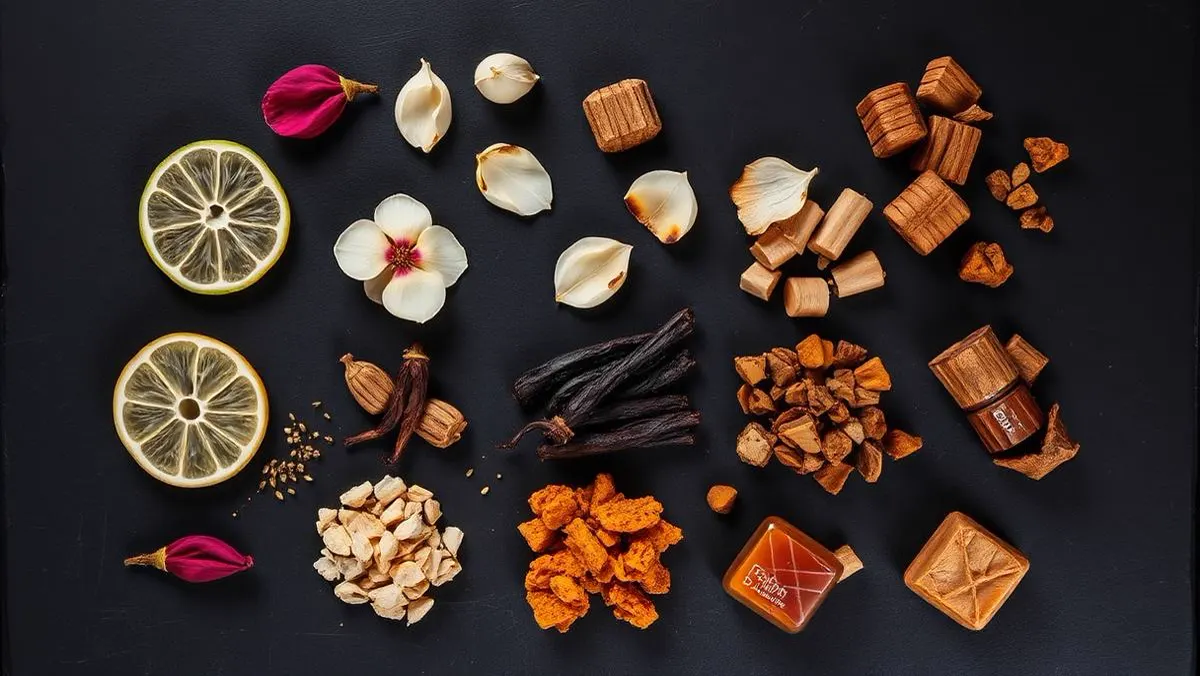
Citrus fragrances are the easiest scents to love, bright, zesty and instantly refreshing from the first spray. Whether you want something for a summer morning or an easy everyday scent, understanding how citrus fragrances are built helps you choose one that actually lasts, rather than one that fades in twenty minutes and leaves you reaching for a second spray by lunchtime.
Quick answer: what makes a good citrus fragrance
A good citrus fragrance balances a bright opening, usually bergamot, lemon or mandarin, with a base sturdy enough to keep the scent going once the citrus fades. Look for a musk, amber or woody base underneath the fruit if longevity matters to you, since pure citrus oils on their own evaporate within an hour or two.
What makes a fragrance citrus
Citrus fragrances lean on notes like bergamot, lemon, mandarin, grapefruit and lime. These oils are naturally bright and slightly sharp, which is exactly why they sit so well at the top of a scent. They give that instant lift when you first spray, before the heart and base notes take over and steer the fragrance in a different direction.
Bergamot in particular shows up in almost every citrus composition, and in a huge number of other fragrances too, because it softens sharper citrus notes and blends easily with florals, woods and spices. It is one of the most useful notes in a perfumer's toolkit, which is why you will spot it in everything from Earl Grey scented colognes to full blown orientals.
Pure citrus oils are volatile, meaning they evaporate quickly. That is why citrus fragrances traditionally had a reputation for not lasting long, though modern formulas fix this by pairing citrus with longer lasting base notes like musk, amber or tonka bean.
Why citrus fragrances work so well for everyday wear
Citrus scents are close to universally likeable. They do not smell overtly masculine or feminine, they are not too sweet, and they rarely feel out of place. That makes them a safe, easy choice for the office, for travel, or for anyone who does not want their perfume to dominate a room full of other people.
They also layer well. A light citrus cologne can sit under a heavier evening scent, adding freshness to the opening without changing the overall character of the fragrance underneath. This is a trick a lot of experienced perfume wearers use to add complexity without buying a whole new bottle.
Citrus is the fragrance equivalent of a cold glass of water. Simple, refreshing, and never the wrong choice.
The main types of citrus notes to know
- Bergamot - soft, slightly floral citrus, the backbone of most citrus scents
- Lemon - sharp and clean, adds a crisp, almost soapy freshness
- Mandarin and orange - sweeter, rounder citrus, less sharp than lemon
- Grapefruit - bittersweet and slightly bitter, adds a modern edge
- Lime - zesty and green, often used in sportier, more casual scents
Each of these notes changes the personality of a citrus fragrance quite a lot. A bergamot heavy scent feels classic and soft, while a grapefruit forward one feels sharper and more contemporary. Knowing which citrus note you are drawn to helps narrow down what to try next when you are stood in front of a wall of similar looking bottles.
Some of the best citrus fragrances to try
Classic and timeless options
Dior's Eau Sauvage is often held up as the reference point for citrus fragrances, built almost entirely around bergamot with a peppery, woody base. Jo Malone London also has a strong lineup of citrus colognes, including their Lime Basil and Mandarin, which is light, green and easy to wear daily without ever feeling too much.
Modern and long lasting picks
If longevity is your main concern, look for citrus scents built with a stronger base, things like Armani's Acqua di Gio, which pairs citrus with a marine, woody drydown that helps it last well beyond the opening. Tom Ford's Neroli Portofino also blends citrus with orange blossom and amber for a more sophisticated, longer lasting take on the category.
Comparing popular citrus fragrances
| Fragrance | Character | Best season | Approx. longevity |
|---|---|---|---|
| Dior Eau Sauvage | Sharp, peppery bergamot | Spring/summer | 4-5 hours |
| Jo Malone Lime Basil & Mandarin | Light, green, herbal | Spring/summer | 3-4 hours |
| Armani Acqua di Gio | Marine, woody citrus | Year-round | 6-8 hours |
| Tom Ford Neroli Portofino | Warm, floral citrus | Summer | 5-6 hours |
How to make citrus fragrances last longer
Because citrus oils evaporate fast, applying to well moisturised skin makes a real difference. Dry skin absorbs and loses scent faster, so a fragrance free moisturiser underneath your citrus perfume can noticeably extend its wear time throughout the day.
Layering also helps. Use a matching body wash or lotion if the brand offers one, or apply an unscented lotion first, then spray your citrus fragrance over the top. Spraying on pulse points like wrists and neck, where body heat helps release the scent gradually, also works better than spraying on clothes alone.
Simple steps for better wear time
- Moisturise skin with an unscented lotion before applying
- Spray onto pulse points rather than only into the air
- Choose the eau de parfum concentration where available
- Reapply once mid-afternoon rather than overspraying in the morning
Citrus fragrances through the seasons
Citrus is most associated with summer, and for good reason, it feels cool and refreshing against warm skin. But a citrus fragrance with a warmer base, think citrus paired with amber or spice, can work just as well in autumn and winter, giving you a lighter alternative to heavier seasonal scents when you want something less imposing.
If you already own a heavier winter fragrance, consider adding a citrus option to your collection for spring and summer. It is one of the easiest ways to build a small, versatile wardrobe of scents without needing dozens of bottles sitting on a shelf gathering dust.
Citrus fragrances versus traditional colognes
The word cologne technically started out meaning a specific style of fragrance, light, citrus led and splashed on generously rather than sprayed sparingly, and that history still shapes how citrus fragrances are marketed today. Eau de Cologne as a concentration is usually the lightest available, built mainly from citrus oils with barely any base to anchor them, which explains why old school colognes fade so quickly compared with a modern eau de parfum that happens to smell citrus led.
This matters when you are choosing a bottle, because two products can be labelled almost identically yet behave very differently depending on which concentration sits behind the name. A citrus eau de cologne is meant to be reapplied through the day, almost like a refreshing splash rather than a single application scent, while a citrus eau de parfum is built to hold its shape for hours without a top up. Neither approach is wrong, but knowing which one you are buying saves the disappointment of expecting all day performance from something designed to be brief by nature.
Common mistakes people make with citrus fragrances
The biggest mistake is judging a citrus fragrance purely from the first five minutes. Citrus notes are loud and immediate, so a fragrance can smell fantastic on first spray and then fade into something quite plain once the top notes burn off, which catches a lot of buyers out when they shop from a quick sniff on a card rather than skin.
Another common error is overspraying to compensate for citrus fading fast, which usually just wastes product rather than extending wear time meaningfully. It is more effective to accept the shorter lifespan of lighter citrus scents and simply carry a travel size bottle for a genuine reapplication later in the day, rather than drenching yourself in the morning in the hope it lasts until evening.
Citrus notes at a glance
| Citrus note | Character | Typical role | Longevity on its own |
|---|---|---|---|
| Bergamot | Soft, slightly floral | Top note, blends with almost anything | Short |
| Lemon | Sharp, clean, soapy | Top note, crisp and direct | Very short |
| Mandarin | Sweet, rounder | Top note, softer than lemon | Short |
| Grapefruit | Bittersweet, modern | Top note, adds an edge | Short |
| Lime | Zesty, green | Top note, sportier feel | Very short |
Final thoughts on choosing citrus fragrances
Citrus fragrances earn their popularity honestly. They are easy to wear, easy to like, and easy to layer with almost anything else in your collection. Start with a classic like Eau Sauvage or a Jo Malone cologne, pay attention to the base notes for longevity, and build from there as you learn what other notes you enjoy alongside the citrus.
Frequently asked questions
- What is the longest lasting citrus fragrance
- Citrus fragrances built on a woody or amber base tend to last longest, since the citrus opening fades into a sturdier drydown. Armani Acqua di Gio and Tom Ford Neroli Portofino are both known for holding their citrus character further into the wear than lighter citrus colognes.
- Do citrus fragrances work well in winter
- They can, especially if paired with a warmer base like amber, spice or tonka. A pure, light citrus cologne feels more suited to warm weather, but a citrus forward scent with depth underneath works fine layered under a coat in cooler months too.
- Are citrus fragrances unisex
- Yes, citrus is one of the most gender neutral fragrance families around. Bergamot, lemon and mandarin do not read as strongly masculine or feminine, which is why so many citrus colognes are marketed and worn as unisex scents by both men and women.
- Why do citrus perfumes not last as long as others
- Citrus oils are naturally volatile, meaning they evaporate faster than heavier notes like musk or oud. This is normal chemistry rather than a flaw, and it is why most citrus fragrances are built with a longer lasting base note to anchor the scent once the citrus fades away.
- What is the difference between bergamot and lemon in perfume
- Bergamot is softer and slightly floral, often used to round out sharper notes, while lemon is crisper and more direct. Bergamot appears in a huge range of fragrances as a supporting note, while lemon tends to take a starring, more obvious role when it is used at all.
- Can citrus fragrances be worn to the office
- Yes, citrus fragrances are one of the safest options for office wear because they are light, clean and rarely overpowering. Their moderate projection means colleagues are unlikely to find them intrusive, which makes them a sensible default for shared workspaces.
- What food or drink does citrus perfume remind people of
- Most people associate citrus fragrances with fresh orange juice, lemonade or a squeezed lime, since the top notes mirror real fruit closely. This familiarity is part of why citrus scents feel instantly comforting and easy to wear compared to more abstract fragrance families.
- Is eau de cologne the same as a citrus fragrance
- Not quite. Eau de cologne refers to a light concentration traditionally built from citrus oils, so most colognes are citrus, but not every citrus fragrance is labelled cologne. Many citrus scents now come as eau de toilette or eau de parfum, which simply hold their shape for longer.
Keep reading
Seasonal
Best Summer Perfumes: Fresh Scents That Survive the Heat
Heat amplifies everything. These summer fragrances stay crisp when the temperature climbs past thirty degrees.
Basics
Perfume Notes Explained: Top, Heart and Base in Plain English
Every fragrance is a story told in three chapters. Once you understand the pyramid, shopping for perfume gets far easier.
Seasonal
Best Fresh Perfumes for Everyday Wear, Ranked by Versatility
Not every day needs a statement. These are the easy, clean bottles you can wear on autopilot.