
Seasonal
Best Winter Perfumes: Warm, Cosy Scents for Cold Weather
Cold air swallows delicate scents. These winter fragrances are built with enough warmth to push through it.
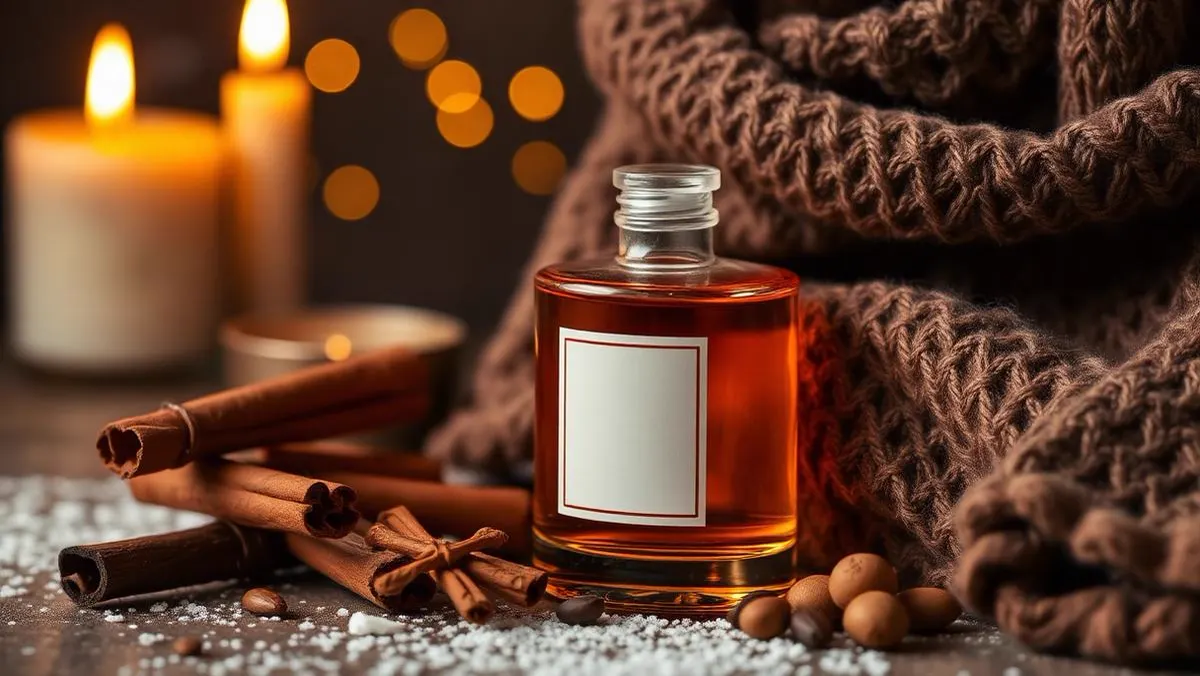
Cold air holds scent close to the skin, which is exactly why the best winter perfumes lean into warm, rich notes like amber, tonka, vanilla, and **oud**. This guide breaks down which notes suit winter, specific fragrances that perform well in the cold, and how to apply perfume so its **longevity** carries through short, chilly days.
Quick answer: the best winter perfumes
All of these share heavy base notes such as vanilla, tonka, amber, or incense, which need a bit of cold and time to unfold properly. That is the key principle behind every recommendation in this guide.
Why the best winter perfumes go heavier
Cold air behaves very differently to warm air when it comes to fragrance. Lower temperatures slow down evaporation, meaning lighter citrus and aquatic fragrances that shine in summer can feel thin or almost disappear in winter. This is why the best winter perfumes tend to lean on heavier, warmer notes that can hold their own in the cold rather than fading within an hour.
Amber, vanilla, tonka bean, oud, and spices like cinnamon and clove all perform beautifully in winter because they are heavier molecules that need a bit of warmth and time to unfold properly. In cold weather, they develop slowly against your skin rather than being swept away, giving you a much longer, more satisfying drydown.
Layering also becomes easier in winter, since you can wear a heavier coat and scarf that trap scent close to your body, extending how long a fragrance seems to last throughout the day even when the actual evaporation rate has slowed.
Notes to look for in the best winter perfumes
Certain fragrance families are practically made for cold weather, both because of how they smell and how they behave physically in low temperatures.
- Amber and resins, which feel warm and cosy against cold skin.
- Vanilla and tonka bean, adding sweetness that feels comforting rather than cloying in winter air.
- Oud and woody notes, which give depth and last for hours in the cold.
- Warm spices like cinnamon, clove, and cardamom, which add richness without being overly sweet.
Best winter perfumes worth wearing this season
We tested each of these during actual cold weather, outdoors and in, to see how they held up over long winter days and evenings without needing a top-up.
For daily winter wear
- Yves Saint Laurent Black Opium - coffee, vanilla, and warm florals that suit short, dark days.
- Dior Sauvage Elixir - a concentrated, spicy-woody fragrance built to handle cold weather without fading.
- Ajmal Amber Wood - an accessible amber-oud option that performs brilliantly once temperatures drop.
For evenings and special occasions
- Tom Ford Tobacco Vanille - rich vanilla, tobacco, and spice, a genuine winter classic.
- Amouage Interlude - smoky incense and spice for anyone who wants a truly cold-weather-only fragrance.
- Maison Francis Kurkdjian Baccarat Rouge 540 - warm and radiant, it genuinely comes alive in cold air.
Winter is the one season where you can actually get away with a heavier, richer fragrance, because the cold slows everything down and stops it from becoming overwhelming.
Comparing the top winter perfume picks
| Fragrance | Concentration | Warmth level | Best occasion | Character |
|---|---|---|---|---|
| YSL Black Opium | EDP | High | Daily/evening | Coffee, vanilla, florals |
| Dior Sauvage Elixir | Parfum-strength EDP | High | Daily wear | Spicy, woody |
| Ajmal Amber Wood | EDP | Medium-high | Daily wear | Amber, oud |
| Tom Ford Tobacco Vanille | EDP | Very high | Evenings | Vanilla, tobacco, spice |
| Amouage Interlude | EDP | Very high | Evenings/special | Incense, spice, resin |
EDP or EDT for winter: which performs better
Eau de parfum is generally the better choice for winter because its higher concentration of oil holds up well against cold air slowing evaporation. An EDT that felt perfectly noticeable in summer heat can feel almost invisible in freezing temperatures, simply because there is less oil to release scent molecules.
If you only own EDTs, you can compensate by applying slightly more or layering with a matching body lotion, but where possible, winter is the season to reach for your richer, more concentrated bottles.
Layering perfume in cold weather
Winter clothing actually works in your favour for fragrance. Scarves, coats, and jumpers trap scent close to your body and release it gradually as you move, which is why the same perfume can feel like it lasts longer in winter than summer, even though cold air technically slows the diffusion process itself.
- Spray a light mist onto a scarf before heading out, since fabric holds scent differently to skin.
- Apply to warm areas like the neck and chest, where body heat helps the fragrance develop.
- Layer with a matching lotion for extra depth on very cold days.
- Do not overdo it just because you cannot smell it as strongly yourself in the cold, since others around you may pick it up more than you think.
Budget-friendly winter fragrances
Warm, amber-based fragrances tend to perform very well even at accessible price points. Lattafa and Ajmal both have strong winter-appropriate options built around amber, oud, and vanilla that hold up impressively well in the cold without needing a luxury budget.
What to do next
As the weather cools down, swap your lighter summer fragrance for something richer built around amber, vanilla, or oud, and pay attention to how it develops over a full cold day rather than just testing it briefly indoors. Winter is genuinely the best season to experiment with heavier, more dramatic fragrances.
How to test a winter perfume without misjudging it
Testing a heavy winter fragrance indoors, in a warm shop or under central heating, gives a misleading impression of how it will behave outdoors in genuinely cold air. Warmth speeds up the release of amber, vanilla, and oud, so the fragrance can feel bigger and more immediate on a testing counter than it will once you step outside into freezing temperatures, where those same heavy molecules need far longer to unfold.
Give a winter fragrance proper time before judging it, ideally a full afternoon or evening rather than a quick five-minute sniff. Because cold air slows evaporation, the opening spray can feel muted compared to how you would expect a bold amber or oud composition to behave, and the real character often only shows up an hour or two in, once your body heat has had a chance to work on it gradually.
If you can, test outdoors on an actual cold day rather than relying on a heated shop environment. A fragrance that seems underwhelming indoors in winter can bloom impressively once exposed to genuinely low temperatures, since heavier base notes are built specifically to perform under those conditions.
Common winter perfume mistakes to avoid
One frequent mistake is sticking with a light summer fragrance out of habit once the weather turns cold, then wondering why nobody can smell it. Citrus and aquatic notes are simply the wrong tool for cold air, since they evaporate quickly and lack the density needed to hold up once temperatures drop. If you love a lighter scent, save it for spring rather than fighting the cold with it.
Another common error is underapplying a heavier winter fragrance out of fear it will be too strong, based on how it smelled during a warm-weather test. Amber, oud, and vanilla compositions are specifically built to develop slowly in the cold, so a cautious single spray may genuinely underperform where two or three would give the balanced result the fragrance was designed for.
People also forget that dry winter skin holds fragrance differently to well-moisturised skin. Dry skin can make a scent fade faster and smell thinner, so applying an unscented moisturiser beforehand genuinely helps a winter fragrance last through a full cold day rather than fading by lunchtime.
Winter fragrance families compared
| Family | Key notes | Example | Best for |
|---|---|---|---|
| Gourmand | Vanilla, coffee, praline | YSL Black Opium | Daily wear, evenings |
| Amber-oud | Amber, oud, resin | Ajmal Amber Wood | Everyday warmth |
| Spicy woody | Cinnamon, clove, cedar | Dior Sauvage Elixir | Daily wear, office |
| Incense-heavy | Incense, smoke, resin | Amouage Interlude | Evenings, special occasions |
Frequently asked questions
- What type of perfume is best for winter?
- Warm, heavier fragrances built around amber, vanilla, tonka bean, and oud work best in winter, since cold air slows evaporation and allows richer notes to develop fully without becoming overwhelming.
- Does perfume last longer in winter?
- It can feel that way, partly because cold air slows evaporation and partly because winter clothing like scarves and coats trap scent close to the body and release it gradually throughout the day.
- Should I wear more perfume in winter?
- You can apply slightly more than in summer, since cold air reduces projection, but it is still better to build up gradually with a couple of sprays rather than overapplying from the start.
- What is the best long lasting winter perfume?
- Tom Ford Tobacco Vanille and Amouage Interlude are both known for excellent longevity in cold weather, thanks to their heavy amber, spice, and resin bases that develop slowly on skin.
- Can I wear a summer perfume in winter?
- You can, but light citrus and aquatic fragrances often feel thin in cold weather. If you want to keep wearing a summer scent through winter, apply it more generously or layer it with a warmer fragrance.
- Why do amber perfumes smell better in cold weather?
- Amber is made of heavy, slow-evaporating molecules that need warmth and time to develop fully. In cold air, that development happens gradually against your skin instead of being rushed, giving a richer, longer drydown.
- Is it worth buying a separate winter fragrance?
- If you regularly wear light citrus or aquatic scents in summer, yes, a dedicated warmer winter fragrance built around amber, spice, or vanilla will generally perform far better in cold weather than your existing bottle.
- How many sprays of perfume should I use in winter?
- Two to four sprays is typical for winter, slightly more than you might use in summer, since cold air slows projection. Focus application on warm areas like the neck and chest, where body heat helps the fragrance develop properly.
Keep reading
Seasonal
Best Summer Perfumes: Fresh Scents That Survive the Heat
Heat amplifies everything. These summer fragrances stay crisp when the temperature climbs past thirty degrees.
How to
Perfume Layering Guide: How to Combine Scents Without Ruining Both
Layering is not about spraying two bottles and hoping. There are rules, and they are simple once you see them.
Oud
Oud Perfumes Guide: How to Wear Oud Without Overpowering a Room
Oud is the most expensive raw material in perfumery. This guide explains why, and which bottles are worth trying first.