
Oud
Oud Perfumes Guide: How to Wear Oud Without Overpowering a Room
Oud is the most expensive raw material in perfumery. This guide explains why, and which bottles are worth trying first.
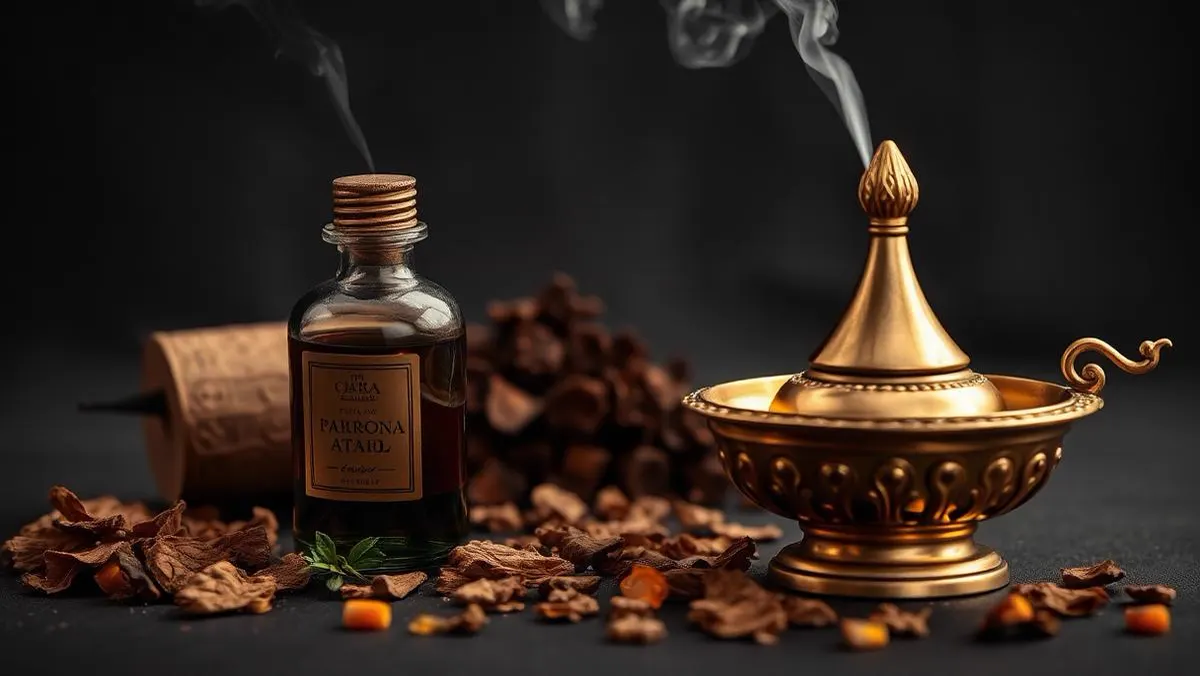
Oud perfumes have a reputation for being intense, expensive and a little intimidating, but they do not have to be any of those things. This guide covers what oud actually is, why it dominates so much of Arabic perfumery, and how to find oud perfumes that suit your taste rather than overwhelm it, whether you are a complete beginner or looking to move into richer, more traditional territory.
Quick answer: how do you choose an oud perfume as a beginner
Start with a rose oud or sweet oud blend rather than pure, raw oud. The rose or amber softens the smokier edges and makes the note far easier to enjoy on a first wear. Houses like Lattafa and Yves Saint Laurent's M7 are commonly recommended as approachable entry points into the whole category.
What is oud, and why does it matter so much
Oud, also called agarwood, comes from the resin that forms inside certain trees when they become infected by a particular mould. That resin is dark, dense and deeply fragrant, and it has been prized in perfumery and incense for centuries, particularly across the Middle East and South Asia where it holds deep cultural significance.
Natural oud is rare and expensive to produce, since the infected wood only forms under specific conditions and cannot be farmed on a large scale easily. This is part of why traditional oud perfumes carry a luxury reputation, and why many modern oud perfumes lean on synthetic oud accords to keep the character accessible without needing rare raw material.
The smell of real oud is complex, sometimes described as woody, smoky, leathery and slightly animalic all at once. It is an acquired taste for some noses, which is exactly why so many oud perfumes soften it with rose, amber or vanilla to make it more approachable for a wider audience.
Why oud perfumes have become so popular worldwide
Oud perfumes have moved far beyond their traditional Middle Eastern roots and are now a major category across global perfumery. Houses like Tom Ford, Yves Saint Laurent and Armani all have oud focused releases, alongside dedicated Arabic perfume brands like Ajmal, Lattafa and Al Haramain who have built entire ranges around it and understand the material better than almost anyone.
Part of the appeal is how distinctive oud smells compared to more common fragrance notes. In a market full of similar fresh and clean scents, oud perfumes stand out immediately, offering something richer and more memorable that tends to draw comments rather than fade into the background.
Oud does not ask to be noticed quietly. It fills a room, and that is exactly the point for the people who love it.
The main types of oud perfumes
- Pure oud - close to the raw material, smoky, woody and intense
- Rose oud - oud paired with rose, a classic and widely loved combination
- Sweet oud - oud softened with vanilla, amber or gourmand notes
- Fresh oud - oud paired with citrus or aquatic notes for a lighter feel
- Oud oriental - oud combined with spice, saffron and warm resins
Rose oud is probably the easiest entry point for anyone new to the category, since the rose softens the smokier, sharper edges of the oud itself. Pure oud, on the other hand, is best left until you already know you enjoy the raw character of the note, since it can be genuinely divisive on first sniff.
Some of the best oud perfumes to try
Approachable starting points
Lattafa's oud releases are a common recommendation for beginners, since they tend to balance the oud with sweeter amber and vanilla notes rather than leaning into raw intensity. Yves Saint Laurent's M7 is also considered a gentler introduction, blending oud with spice and patchouli for a more familiar western structure.
Rich and luxury options
Tom Ford's Oud Wood is one of the most celebrated modern oud perfumes, pairing oud with sandalwood, rosewood and a touch of spice for a smooth, refined result. Amouage, a luxury house from Oman, also has several oud heavy releases that lean into a richer, more traditional style aimed at experienced wearers.
Comparing key oud perfumes
| Fragrance | Style | Beginner friendly? | Projection |
|---|---|---|---|
| Lattafa oud releases | Sweet, amber-led oud | Yes | Strong |
| YSL M7 | Spiced, patchouli oud | Yes | Moderate |
| Tom Ford Oud Wood | Smooth, sandalwood oud | Somewhat | Moderate to strong |
| Amouage oud releases | Rich, traditional oud | No, advanced | Very strong |
How to wear oud perfumes without overdoing it
Oud perfumes tend to project strongly, so a little goes a long way. One or two sprays is usually enough, especially with a concentrated oud perfume, compared to the three or four sprays you might use with a lighter citrus or floral scent that has weaker projection to begin with.
Oud also suits cooler weather better than intense summer heat, since the heat can make already strong oud notes feel overwhelming both to you and to people around you. Save your richest oud perfumes for autumn and winter, and consider a fresher oud blend if you want something for warmer months instead.
Steps to introduce oud into your rotation
- Sample a rose oud or sweet oud blend before buying a full bottle
- Test it over a full day rather than judging from the opening alone
- Start with one spray and add a second only if projection feels too weak
- Save richer, smokier oud perfumes for cooler months
How we tested oud perfumes
We wore each oud perfume for a full day, paying close attention to projection at the one hour, four hour and eight hour marks, since oud perfumes are known for strong sillage and long wear. We also compared indoor and outdoor wear, since oud can behave quite differently depending on ventilation and temperature.
We noted which oud perfumes leaned more synthetic versus which used a higher proportion of natural oud oil, since this affects both the smell and how the scent evolves over several hours on skin.
Who should try oud perfumes
- Great for anyone who wants a distinctive, long lasting signature scent
- Best suited to autumn and winter rather than hot summer days
- Beginners should start with rose oud or sweet oud rather than pure oud
- Use fewer sprays than you would with lighter fragrance families
Final thoughts on exploring oud perfumes
Oud perfumes reward a bit of patience and an open mind. Start with a softer, rose or amber leaning oud rather than jumping straight into something intensely smoky, and pay attention to how much you actually enjoy wearing it over a full day rather than just liking the smell in the bottle. From there, you can work your way towards richer, more traditional oud perfumes as your taste develops.
Frequently asked questions
- What is the best oud perfume for beginners
- Rose oud blends or a sweeter oud like many of Lattafa's releases tend to work well for beginners, since the oud is softened rather than presented in its raw, smoky form. This makes it easier to enjoy the character of oud without feeling overwhelmed by it on the first wear.
- Why are oud perfumes so expensive
- Natural oud comes from rare, infected agarwood trees that cannot be farmed on a large scale easily, which keeps the raw material costly. Many modern oud perfumes use synthetic oud accords to bring the price down while still capturing much of the character people associate with real oud.
- How many sprays of oud perfume should I use
- One or two sprays is usually plenty, since oud perfumes tend to project strongly and last a long time on skin. Using the same amount you would with a light citrus or floral scent will likely be far too much for most oud compositions and those around you.
- Can oud perfumes be worn in summer
- Traditional, heavy oud perfumes can feel overwhelming in hot weather, since heat amplifies strong notes. If you want to wear oud in summer, look for a fresher oud blend paired with citrus or aquatic notes rather than a dense, smoky pure oud composition.
- What is the difference between natural oud and synthetic oud
- Natural oud comes directly from resin formed in infected agarwood trees and has a complex, sometimes animalic depth. Synthetic oud accords are built in a lab to mimic that character at a lower cost, and while close, they usually smell slightly cleaner and less layered than the real thing.
- Does oud perfume smell the same on everyone
- No, oud tends to react quite noticeably with individual skin chemistry, sometimes appearing sweeter or smokier depending on the wearer. This is one reason it is worth testing an oud perfume on your own skin for several hours rather than relying purely on how it smelled on someone else.
- What notes pair best with oud in perfumery
- Rose, saffron, amber and sandalwood are among the most common and successful pairings with oud. Rose softens its smokiness, saffron adds warmth, amber rounds it out, and sandalwood extends the woody depth, which is why these combinations appear so often across both Arabic and western oud perfumes.
Keep reading
Oud
Best Arabic Perfumes: Oud, Amber and Bakhoor Worth Wearing
Arabian perfumery is built on oud, amber and patience. Here is where to start, whatever your budget.
Luxury
Luxury Perfumes Worth Buying (and the Ones That Are Not)
Some luxury bottles earn every pound. Others sell a box. Here is how to tell them apart before you pay.
Families
Woody Fragrances Guide: Sandalwood, Cedar and Vetiver Decoded
Woods are the backbone of modern perfumery. Learn to tell cedar from sandalwood and your shopping gets sharper.