
How to
Perfume Layering Guide: How to Combine Scents Without Ruining Both
Layering is not about spraying two bottles and hoping. There are rules, and they are simple once you see them.
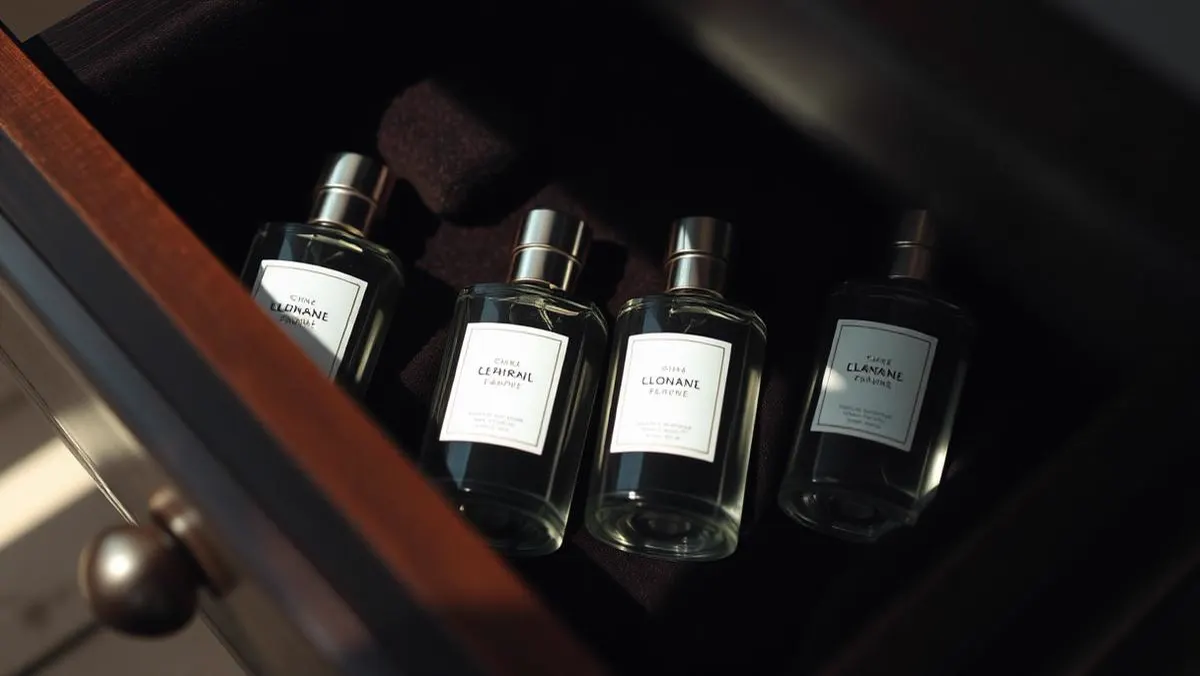
Perfume layering is the practice of combining two or more scented products, or two perfumes, so they blend on your skin into something more layered and personal than either scent on its own. Once you understand which notes work together and how concentration affects the result, perfume layering becomes one of the cheapest ways to get more mileage out of a small collection. This guide walks through the method properly, step by step, with real combinations to try.
What is perfume layering
Perfume layering means wearing more than one scented product at the same time so the smells blend on warm skin rather than sitting separately. This could be two perfumes applied to different areas, or a scented body lotion worn under a spray of your favourite bottle. The point is not to mask one smell with another or to make a fragrance stronger for the sake of it. It is to build depth and character that neither product has by itself, adjusting the accord until it feels like something only you are wearing.
People have been layering scents for as long as perfume and scented cosmetics have existed, they just did not always call it that. Someone using a vanilla body cream and then spraying a woody perfume over the top is layering. The heat of the skin lifts both scents at once, and the combined result feels warmer, rounder, and more complex than the perfume worn alone. Understanding that basic mechanism is really all you need to start experimenting properly.
Why try perfume layering at all
The most common reason people start layering is boredom with a bottle they otherwise like. Wearing the same fragrance every day for months can make even a genuinely good scent feel flat, and layering lets you shift its mood without spending money on something new. A crisp citrus eau de toilette can turn cosy and inviting with a dab of amber body oil underneath. A sharp, aggressive woody fragrance can soften considerably with a rose hand cream worn beneath it. You are essentially remixing what you already own.
There is also a practical benefit around longevity. A scented moisturiser or oil sits closer to the skin's surface and can help trap the alcohol-based top notes of a perfume, so the whole combination clings for longer than the perfume would on its own. If a fragrance you love keeps fading by lunchtime, layering is often a cheaper and gentler fix than buying a stronger, pricier concentration of the same scent.
How to layer perfume step by step
Start with clean, well moisturised skin. Fragrance clings noticeably better to hydrated skin than to dry skin, so a fragrance-free lotion as a genuine base layer is never wasted, even on days when you are not deliberately layering scents on top of it.
- Wash and moisturise your skin with an unscented lotion so the base is neutral and hydrated.
- Choose a scented body wash, lotion, or oil that shares at least one note with the perfume you intend to wear.
- Apply the scented lotion or oil first, focusing on pulse points and the chest.
- Wait a few minutes for the lotion to sink in before spraying your perfume over the same areas.
- Spray the perfume last, since it is the strongest layer and should sit on top rather than underneath.
- Give the whole combination ten to fifteen minutes to settle before judging how it smells.
Pick your base carefully
Your base is the layer closest to your skin, usually a shower gel, body lotion, or oil in a soft, simple scent such as vanilla, coconut, or a light musk. Keep this layer plain rather than complicated, since an overly busy base will compete with the perfume you add afterwards instead of supporting it.
Choose a perfume that shares a note
Look at the notes listed in your base product and pick a perfume that shares at least one of them. If your lotion is vanilla-based, a perfume built around tonka bean or amber will blend smoothly into the same warm family. If your lotion leans citrus, reach for a fresh perfume with bergamot or neroli in the opening. Shared notes are what stop two products clashing into an unpleasant, muddy blend.
Layer light to heavy
Apply the lightest scent first and the strongest last, which generally means body wash, then lotion, then perfume, in that order. Spraying a heavy oud or amber eau de parfum before a light citrus lotion will simply bury the lotion completely and waste the effort of layering in the first place.
- Test combinations on skin rather than paper, since body heat changes how layered scents actually behave
- Wait ten minutes before judging the blend, as sharp top notes fade fast and are not the true picture
- Use no more than two genuinely strong perfumes together to avoid a muddled, confusing result
- Keep a note on your phone of combinations that worked, since it is easy to forget a good pairing
Best fragrance families to combine
Some pairings are close to foolproof. Citrus and woody notes work well together because the citrus lifts the blend while the wood grounds it, giving you something that feels both fresh and substantial. Vanilla and spice is another safe combination, offering warmth without tipping into anything sickly. Floral and musk is soft, wearable, and wearable across most of the year without much risk of clashing.
Trickier pairings include combining two very loud scents, such as two different oud fragrances, or two very sweet gourmands stacked on top of each other. These can turn cloying quickly because they are both fighting for the same space in the same register. If you want to experiment with bolder combinations regardless, use a lighter hand than usual with each spray so neither element overwhelms the other.
| Combination | Result | Best season |
|---|---|---|
| Citrus + woody | Fresh but grounded, easy to wear | Spring, summer |
| Vanilla + spice | Warm and cosy without being sweet | Autumn, winter |
| Floral + musk | Soft, clean, versatile | All year |
| Oud + oud | Risky, can turn heavy or muddled | Use sparingly |
| Gourmand + gourmand | Often too sweet, can feel cloying | Use sparingly |
Layering is not about wearing more perfume. It is about wearing it smarter.
Perfume layering mistakes to avoid
The single biggest mistake is layering too many scented products at once. Scented deodorant, scented shower gel, scented lotion, and two different perfumes will almost always smell like a mess rather than a considered blend, no matter how nice each product is individually. Pick one or two extra layers at most and stop there.
Another common error is spraying perfume directly onto clothing that has already been washed in strongly fragranced detergent. The laundry scent will compete with the perfume all day and neither one really wins the fight. Where you can, wear layered perfume on freshly washed, unscented skin and clothes so the combination you have built is the only thing anyone actually notices.
Layering combinations worth trying
If you want a shortcut, these combinations tend to work well for most people without much trial and error involved.
- A citrus fragrance like Dior Eau Sauvage over a plain coconut or musk body lotion
- A rose perfume layered with an unscented hand cream to soften harsh top notes
- A woody scent with ambroxan or iso e super over a vanilla body oil for extra warmth
- A light floral eau de toilette under a spritz of a stronger amber eau de parfum
Does designer vs niche matter for layering
You do not need niche perfumes to layer well. Designer names like Chanel, Armani, and YSL sit happily next to a supermarket body lotion as long as the notes line up sensibly. Niche houses such as Maison Francis Kurkdjian or Parfums de Marly are often built to be worn alone, with a very deliberate, balanced structure, which can make them harder to layer without throwing that balance off. If you are new to perfume layering, practise on simpler designer scents before you experiment with a complex niche bottle you are especially fond of.
How layering affects projection and sillage
Layering can genuinely increase both projection and sillage, the trail a scent leaves as you move through a room, because you are effectively adding more scented material to the skin overall. This is useful if your usual perfume tends to sit too close to the body for your liking. It is worth being mindful of this in enclosed spaces such as lifts, cars, or small offices, where a layered scent can read as considerably stronger to other people than it does to you, since your nose adjusts to your own fragrance far faster than everyone else's does.
What to do next
Pick one perfume you already own and one scented lotion or oil you already have in the bathroom cabinet. Try them together for a full day before you buy anything new. Perfume layering costs nothing to test with products you already own, and it remains one of the quickest ways to make a familiar bottle feel genuinely new again.
Frequently asked questions
- What is the easiest way to start perfume layering?
- Start with a scented body lotion or oil under your usual perfume. This is the gentlest form of perfume layering because the lotion is subtle and unlikely to clash. Once you know how the two smell together over several hours, try mixing two full perfumes for a bolder result.
- Can you layer two different perfumes together?
- Yes, but use a light hand. Spray one on your torso and the other on your arms or neck rather than both in the same spot. This lets them blend gradually in the air around you rather than one completely overpowering the other from the very first spray.
- Does perfume layering make a scent last longer?
- Often, yes. A scented lotion or oil sits on the skin and can help trap the alcohol-based top notes of a perfume, slowing how quickly they evaporate. It is not a guaranteed fix for every fragrance, but many people notice better longevity once they start layering properly.
- What scents should not be layered together?
- Avoid combining two very strong, sweet gourmand perfumes, or two heavy oud fragrances, since they tend to fight rather than blend into anything coherent. Be cautious mixing entirely different families too, like a sharp aquatic and a thick amber, unless you have already tested it on skin first.
- Is perfume layering only for winter?
- No, layering works all year round, though the combinations should change with the season. In summer, keep both layers light, such as citrus paired with a soft musk. In winter, you can go heavier with amber, vanilla, and woody notes without the result feeling excessive.
- Does layering work with cheap perfumes as well as expensive ones?
- Yes. Layering is about matching notes and applying products in the right order, not about spending more money. A budget musk lotion layered thoughtfully under an inexpensive eau de toilette can smell just as considered as an expensive niche combination if the notes complement each other.
- How do I know if two scents will clash before buying anything?
- Check the listed notes for each product and look for at least one overlap, such as vanilla, musk, or citrus. If there is no shared note at all, test a small amount on your skin first rather than committing to a full application, since some combinations only reveal a clash after twenty minutes.
Keep reading
Basics
Perfume Notes Explained: Top, Heart and Base in Plain English
Every fragrance is a story told in three chapters. Once you understand the pyramid, shopping for perfume gets far easier.
How to
How to Make Perfume Last Longer: 12 Fixes That Genuinely Work
Most people lose hours of wear through small mistakes. Fix these and the same bottle suddenly performs better.
How to
How to Apply Perfume Correctly: Where to Spray and How Much
Rubbing your wrists together is only the start of it. Small application changes add hours to your wear time.