
How to
How to Apply Perfume Correctly: Where to Spray and How Much
Rubbing your wrists together is only the start of it. Small application changes add hours to your wear time.
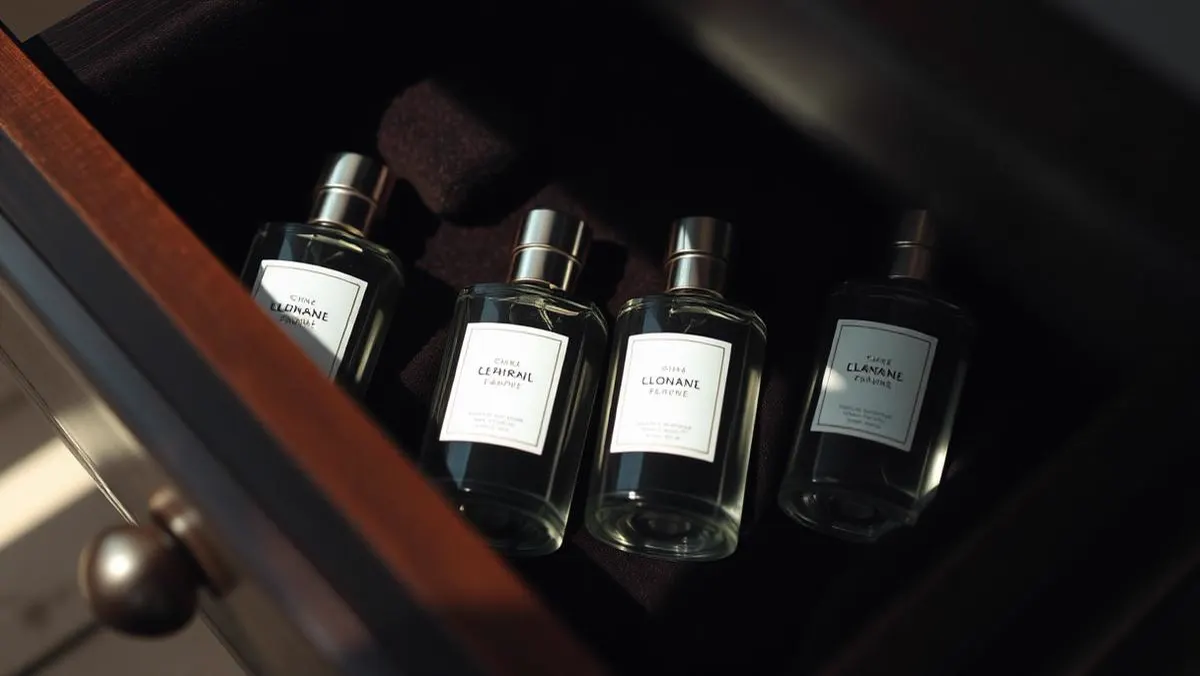
Learning how to apply perfume correctly makes a bigger difference to how long it lasts than the price of the bottle ever will. Most people spray once on the wrist, rub it in and hope for the best. A few small changes to where and how you spray can make any fragrance last hours longer and develop exactly as the perfumer intended.
Quick answer: the correct method
Moisturise first, spray three to five times on pulse points like wrists and neck, let it dry naturally without rubbing, and add a light spray to clothing or hair if you want extra longevity. That's genuinely all there is to how to apply perfume correctly, and it applies to almost every fragrance type.
Why application matters more than you think
Two people wearing the exact same bottle can end up with completely different results. Skin type, where you spray, how many sprays you use and even what you did before spraying all affect how a scent performs. Getting how to apply perfume right means you actually get the full experience the perfumer designed, from the opening burst right through to the drydown hours later.
This is especially true with more expensive fragrances. There's little point spending on a luxury bottle from Creed or Amouage if you're applying it in a way that lets it fade within an hour, when a slightly different approach could easily double its staying power on your skin.
Where to spray perfume
Pulse points give off natural warmth, and warmth helps release fragrance into the air gradually throughout the day. The classic spots work because they're warm, close to skin that moves, and sit near your face or hands where scent is most likely to be noticed.
Best pulse points
- Inside of the wrists
- Sides and base of the neck
- Behind the ears
- Inside the elbows
- Back of the knees for a subtle, all-day trail
Hair and clothing also hold scent well, often longer than skin does, because fabric absorbs oils rather than letting them evaporate as quickly as skin does. A light spray on a scarf or the ends of your hair can extend how long you notice a fragrance through the day, though you should always check the fabric first.
How many sprays to use
For an eau de parfum, three to five sprays across pulse points is usually enough for daytime wear. For an eau de toilette, you can go slightly higher since the concentration is lower and the scent is generally lighter to begin with. Evening or special occasion wear can take a couple more sprays, especially with lighter fresh scents that don't project as strongly.
It's easy to overspray strong scents like oud or amber based perfumes, since a little goes a long way with dense, resinous notes. Start with fewer sprays than you think you need. You can always add more later in the day, but you can't take away an overpowering cloud once it's already on your skin and clothes.
| Concentration | Daytime sprays | Evening sprays | Typical longevity |
|---|---|---|---|
| Eau de cologne | 4 to 6 | 6 to 8 | 2 to 3 hours |
| Eau de toilette | 3 to 5 | 5 to 7 | 4 to 6 hours |
| Eau de parfum | 3 to 5 | 4 to 6 | 6 to 8 hours |
| Parfum/extrait | 1 to 2 | 2 to 3 | 8 hours or more |
Perfume should announce itself when someone hugs you, not walk into the room five minutes before you do.
The rubbing mistake almost everyone makes
Rubbing your wrists together after spraying feels natural, but it actually breaks down the top notes through friction and heat, changing how the scent develops in its opening minutes. Let perfume dry naturally on skin instead of rubbing it in for the truest version of how it's meant to smell, from the first spray through to the base.
Prepping your skin before you spray
Dry skin doesn't hold fragrance well, which is why perfume seems to disappear faster in winter or after a hot shower that strips natural oils from the surface. Moisturised skin, especially with an unscented or lightly scented lotion, gives the fragrance something to cling to rather than evaporating straight off dry, thirsty skin.
- Shower and moisturise before spraying, ideally with an unscented lotion
- Apply perfume to slightly damp skin straight after a shower for better staying power
- Avoid spraying directly onto strong deodorant scents that might clash with the perfume's own accord
- Reapply lightly after several hours if the scent has faded, rather than adding a huge amount all at once
A simple morning routine
- Shower and pat skin mostly dry, leaving it slightly damp
- Apply an unscented or barely scented body lotion to pulse points and beyond
- Wait a minute or two for the lotion to settle in
- Spray perfume directly onto pulse points from a few centimetres away
- Let it dry naturally in the air rather than rubbing it in
Should you spray perfume on clothes?
Yes, in moderation. Fabric holds fragrance longer than skin and doesn't have the same body heat that speeds up evaporation. Just be careful with light coloured or delicate fabrics like silk, since some perfumes contain oils that can leave marks. A test spray on an inside seam is a smart precaution before committing to spraying a favourite garment.
How climate and season change your approach
Heat and humidity make fragrance project further and fade faster, since warmth speeds up evaporation of both the alcohol and the aromatic compounds. In summer you can often get away with fewer sprays and still notice strong projection, so start light and build up rather than assuming you need your usual winter amount.
Cold, dry winter air does the opposite. Scent clings closer to the skin and takes longer to develop, so a slightly heavier hand and a focus on moisturised skin beforehand both help a fragrance perform the way it would in warmer weather.
Layering perfume with matching scented products
Many fragrance houses release matching shower gels, body lotions and even hair mists alongside their perfumes, and using them together is one of the most reliable ways to boost longevity without buying anything extra. A scented lotion in the same family as your perfume creates a base layer that the spray can build on, rather than fighting against a completely different scent from an unrelated body wash. This is why department store gift sets often bundle a lotion with the perfume itself; it genuinely changes how the fragrance performs across the day.
If a matching product isn't available, an unscented moisturiser is the next best option, since it hydrates the skin without introducing competing notes. Avoid combining your perfume with a strongly scented deodorant, shower gel or hair product from an unrelated range, as the two scents can clash and create a muddled result that neither perfumer intended.
Common perfume application mistakes beyond rubbing
Beyond rubbing wrists together, a few other habits quietly undermine an otherwise good application. Spraying directly onto jewellery can tarnish certain metals and gemstones over time, since alcohol and aromatic oils aren't kind to some finishes. Applying perfume immediately after a strong scented deodorant is another common slip, since the two compete rather than combine well. And holding the bottle too close, right against the skin, concentrates the spray unevenly instead of letting it settle as a fine, even mist across the pulse point.
- Hold the bottle around ten to fifteen centimetres from your skin before spraying
- Spray in short, deliberate bursts rather than one long continuous press
- Avoid spraying directly onto rings, watches or delicate jewellery
- Let each spray settle for a few seconds before adding another nearby
- Check the label for any specific application guidance from the brand itself
How your body chemistry changes the outcome
Skin pH, natural oil production and even diet all subtly influence how a fragrance reads once it's applied, which is part of why the same bottle can smell noticeably different from one person to the next. Naturally oilier skin tends to hold fragrance oils for longer and can make a scent project a touch stronger, while very dry skin lets the alcohol evaporate quickly and can mute certain notes almost entirely within an hour. This is completely normal and isn't something you need to fix, but it does explain why a friend's glowing recommendation doesn't always translate perfectly onto your own skin.
If you find a fragrance consistently underperforms on you despite good application habits, it's often less about technique and more about that specific composition simply not suiting your individual skin chemistry. Trying it on hair or clothing instead of skin, or leaning towards richer, more tenacious concentrations like eau de parfum, can sometimes bridge that gap without changing anything else about how you apply it.
What to do next
Next time you get dressed, try the moisturise-then-spray method and resist the urge to rub your wrists together. Notice how the scent develops over the next few hours compared to how you normally apply it, and adjust the number of sprays from there based on the season and the concentration you're wearing.
Frequently asked questions
- How many sprays of perfume should you use?
- Three to five sprays on pulse points is a good daytime starting point for an eau de parfum. Stronger scents like oud or amber need fewer sprays, while lighter fresh scents can handle a couple more without becoming overwhelming.
- Should you rub perfume into your skin after spraying?
- No. Rubbing creates friction and heat that breaks down the top notes and changes how the fragrance develops. Let it dry naturally on your skin for the truest, longest lasting version of the scent.
- Where is the best place to spray perfume?
- Warm pulse points work best, including the insides of your wrists, the sides of your neck, behind your ears and the insides of your elbows. Warmth from these areas helps release the fragrance gradually through the day.
- Does moisturising before perfume help it last longer?
- Yes. Dry skin doesn't hold fragrance well, so applying an unscented lotion first gives the perfume something to cling to. This is especially helpful in winter or after showering, when skin tends to be drier.
- Is it better to spray perfume on skin or clothes?
- Both work, and combining them often gives the best result. Skin gives a warmer, more personal scent, while fabric holds fragrance longer since it doesn't have body heat speeding up evaporation.
- Should you spray perfume before or after getting dressed?
- Before is generally safer, since it gives the perfume a moment to settle and reduces the risk of oil marks on fabric. If you want extra longevity from clothing, a light separate spray on an inside seam afterwards can help.
- Why does my perfume smell different on me than in the bottle?
- Your skin's natural oils, pH and warmth interact with the fragrance's compounds, which changes how notes develop compared to smelling it straight from the bottle or on a testing strip. This is completely normal and part of why testing on skin matters.
Keep reading
Basics
EDT vs EDP: What the Difference Really Means on Skin
Two letters on a bottle change the price, the strength and the way a scent behaves on your skin. Here is what they mean.
How to
Perfume Layering Guide: How to Combine Scents Without Ruining Both
Layering is not about spraying two bottles and hoping. There are rules, and they are simple once you see them.
How to
How to Make Perfume Last Longer: 12 Fixes That Genuinely Work
Most people lose hours of wear through small mistakes. Fix these and the same bottle suddenly performs better.