
Basics
Perfume for Beginners: The Only Guide You Need to Start
Start here. Every term, every mistake to avoid and a clear path to your first bottle that you will actually finish.
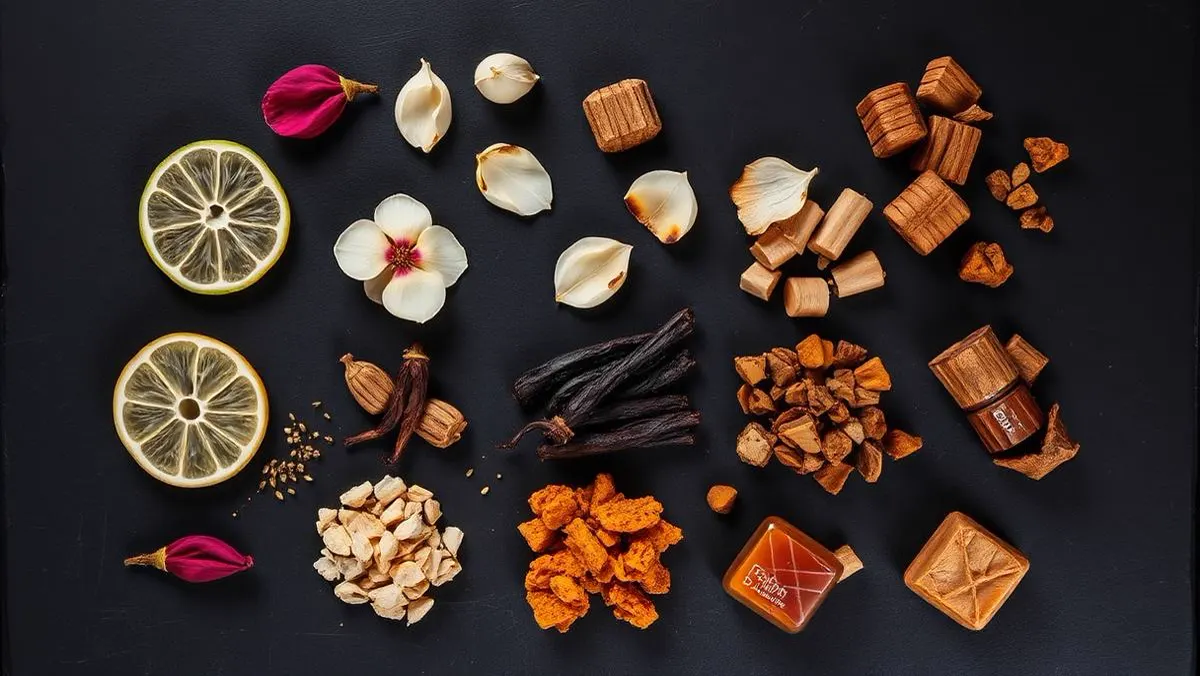
Starting out with fragrance can feel confusing, with strange words like base notes and sillage thrown around everywhere. This perfume for beginners guide breaks it all down into plain English, covering **concentration**, **longevity** and **testing technique**, so you can walk into any shop, sniff with confidence, and actually enjoy the process instead of feeling lost.
Why perfume for beginners feels so confusing at first
Walk into any perfume counter and you get hit with jargon straight away. Notes, accords, concentration, sillage, projection, drydown. Nobody hands you a glossary first. That is exactly why a proper perfume for beginners approach matters, because once you understand five or six basic ideas, the rest clicks into place fast.
The good news is that fragrance does not require expertise to enjoy. You do not need to know Latin names for flowers or the full back catalogue of Chanel to find something you love. You just need a system for testing, a bit of patience, and to trust your own nose over anyone else's opinion, including the assistant behind the counter who is paid to sell whatever is on promotion that week.
Most people who say they "don't really get" perfume have simply never been shown how to test it properly. They spray a strip, sniff it for two seconds, decide it smells nice or not, and move on. That tells you almost nothing about how a scent actually behaves on skin over several hours, which is the only test that matters.
The basics: notes, accords and how perfume is built
Every perfume is made from notes, which are individual smells like bergamot, rose, oud or vanilla. These notes are grouped into top, heart and base notes. Top notes are what you smell first, often citrus or light herbs, and they fade within twenty minutes. Heart notes come next, usually florals or spices, and they last a couple of hours. Base notes are the deep, long-lasting parts like tonka, amber and woods, and they can stick around for the rest of the day, forming what perfumers call the drydown.
An accord is simply a blend of notes that reads as one smell, similar to how red and blue paint make purple. When someone says a perfume has a gourmand accord, they mean it smells like dessert, often through vanilla and tonka bean working together. A chypre accord, by contrast, pairs bergamot with oakmoss and labdanum for something drier and more classic.
- Top notes: citrus, mint, light fruits, aldehydes
- Heart notes: rose, jasmine, lavender, spices
- Base notes: oud, vanilla, musk, amber, woods
- Accords: gourmand, chypre, fougere, floral, aromatic
EDT, EDP and parfum: what the letters actually mean
Concentration tells you how much perfume oil is mixed into the alcohol and water base. Eau de toilette (EDT) usually holds around 5 to 15 percent oil, eau de parfum (EDP) holds around 15 to 20 percent, and parfum or extrait can go higher still. More oil generally means better longevity and stronger projection, though the raw materials matter just as much as the percentage on the box.
For a perfume for beginners starting point, eau de parfum is often the safest bet. It tends to last a full working day without being overwhelming, and most mainstream releases from brands like Dior, YSL and Armani come in this strength. Eau de cologne, if you ever come across it, is the lightest of all and works best as a quick refresh rather than an all-day scent.
| Type | Approx. oil % | Typical wear time |
|---|---|---|
| Eau de cologne | 2-4% | 1-2 hours |
| Eau de toilette | 5-15% | 3-5 hours |
| Eau de parfum | 15-20% | 6-8 hours |
| Parfum / extrait | 20-30%+ | 8+ hours |
How to actually test perfume without wasting money
Never judge a perfume from the bottle spray in the air or from someone else wearing it. Skin chemistry changes everything. Spray it on your own wrist or the inside of your elbow and wait. The first five minutes are misleading, so give it at least thirty minutes before deciding anything.
A simple testing routine
- Pick two or three perfumes from different families to test in one session
- Spray each one on a separate patch of skin, not a paper strip
- Wait 30 minutes to an hour before making any judgement
- Smell coffee beans or your own arm between tests to reset your nose
- Note how each one feels after two hours and again after six
- Only buy a full bottle once you have worn a sample for a full day
- Test no more than three perfumes in one session, your nose gets tired fast
- Spray on skin, not just a paper strip, since skin reveals the true drydown
- Wait 30 minutes to an hour before judging the scent properly
- Live with a sample for a full day before buying a full bottle
- Smell coffee beans between tests to reset your nose
The best perfume is not the one that gets the most compliments in a shop. It is the one you still want to smell six hours later.
Picking your first bottle as a true beginner
For a first bottle, go for something versatile rather than niche and unusual. A clean woody scent, a soft citrus, or a gentle vanilla works in almost every setting, from the office to a dinner out. Save the bold oud perfumes and heavy orientals for later, once you know what you actually enjoy wearing for hours at a time.
Brands like Jo Malone London and Chanel are popular starting points because their scents are well balanced and rarely offensive. Lattafa and other affordable Middle Eastern houses are also worth trying, since they offer strong, long-lasting scents with excellent sillage without needing a big budget. Tom Ford and Creed sit further up the scale if you want to explore something more polished once you have a feel for what you like.
Signs a scent suits you, not just the room
A good sign is when you forget you are wearing it after an hour, then catch a trace of it later and still like it. A bad sign is a headache, or the scent turning sharp and chemical as it dries down. Both reactions tell you something useful about your own chemistry, so pay attention rather than dismissing them.
Common mistakes people make when they are new to perfume
The biggest mistake is buying based on the name or the bottle design alone. A gorgeous bottle tells you nothing about how the juice inside will smell on your skin. Another common error is over-spraying, thinking more is better. Two or three sprays is usually plenty for eau de parfum strength, and heavier application does not always mean longer longevity, just a stronger initial blast that fades the same way.
- Buying a full bottle without testing on skin first
- Spraying too much, thinking heavier means better
- Ignoring how a scent changes after an hour
- Following influencer hype instead of your own reaction
- Storing bottles in a hot bathroom, which breaks down the juice faster
Building a small collection once you know your taste
Once you have worn a few scents for weeks at a time, patterns emerge. You might notice you always reach for something warm and spicy in winter, or something fresh and citrus heavy in summer. That is your cue to start building a small rotation of two or three scents rather than chasing every new release that shows up on social media.
There is no rush here. Fragrance is one of the few hobbies where slowing down actually improves the result, because your nose and your preferences sharpen with time and experience. Many collectors say their taste changed completely in the first year, which is normal and even useful, since it means you are learning what genuinely works on you rather than what you were told should work.
Gender labels and why they barely matter
Perfume counters still separate men's and women's fragrances, but the split is mostly marketing rather than chemistry. A woody vetiver scent marketed to men will smell exactly the same on a woman's skin, and plenty of the most complimented perfumes worn by women today started life in the men's section. Ignore the label on the box and judge purely on whether you like how it smells and how it develops.
What to do next
Pick two or three perfumes from different families, get samples if you can, and test them properly on your skin over a few days. Do not worry about getting it perfect first time. Every perfume for beginners journey involves a few misses before you find scents that genuinely feel like you, and that process is honestly half the fun.
Frequently asked questions
- What is the best perfume for beginners to start with?
- A clean, versatile eau de parfum in a citrus, light woody or soft floral family is the safest start. These are easy to wear daily and rarely clash with an office or social setting, giving you a reliable base before exploring bolder scents like oud or heavy orientals.
- How many sprays of perfume should a beginner use?
- Two to three sprays of an eau de parfum is usually enough, aimed at pulse points like the wrists and neck. You can always add more later in the day, but it is much harder to tone down an overpowering application once it has settled on skin.
- Is eau de parfum or eau de toilette better for beginners?
- Eau de parfum is often better for beginners because it lasts longer and gives a truer sense of how the scent develops through the day. Eau de toilette is lighter and fades faster, which can make it harder to judge the full drydown.
- Why does perfume smell different on me than in the bottle?
- Your skin's natural oils, pH and warmth interact with the perfume oils, changing how notes present themselves. This is why testing on skin rather than paper or in the air is essential before buying anything, no matter how good it smells on someone else.
- How long should I wait before deciding if I like a perfume?
- Wait at least thirty minutes to an hour. The opening notes fade quickly and are often quite different from the heart and base notes that reveal the true character and longevity of the fragrance.
- Do expensive perfumes always last longer than cheap ones?
- Not necessarily. Price often reflects branding, packaging and rare ingredients rather than raw performance. Some budget houses like Lattafa produce eau de parfums with genuinely impressive longevity and projection for far less outlay than luxury names.
- Can a beginner wear niche perfume straight away?
- Yes, there is no rule against it, though niche scents can be bolder and less predictable than mainstream designer options. If you want to start with niche, pick something described as soft or wearable rather than the most unusual, experimental release in the range.
Keep reading
Basics
Perfume Notes Explained: Top, Heart and Base in Plain English
Every fragrance is a story told in three chapters. Once you understand the pyramid, shopping for perfume gets far easier.
Basics
EDT vs EDP: What the Difference Really Means on Skin
Two letters on a bottle change the price, the strength and the way a scent behaves on your skin. Here is what they mean.
How to
How to Choose a Perfume: A Simple 7 Step Method That Works
Choosing well is a process, not a lucky guess. Follow these seven steps and your next bottle will not sit unused.