
How to
How to Choose a Perfume: A Simple 7 Step Method That Works
Choosing well is a process, not a lucky guess. Follow these seven steps and your next bottle will not sit unused.
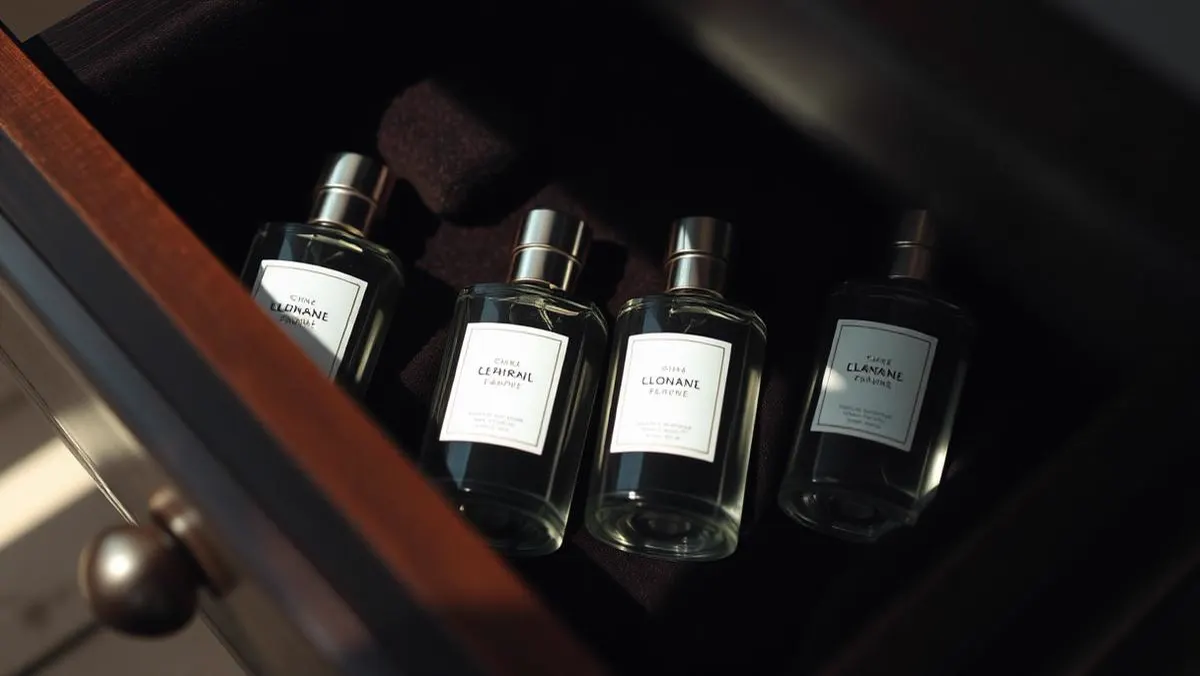
Standing in front of a wall of bottles with no idea where to start is a common problem. Learning how to choose perfume properly means understanding your own habits, your skin, and the occasion, rather than picking whatever smells strongest on the tester strip, and weighing up **longevity**, **projection** and concentration before you spend a penny.
How to choose perfume by thinking about your lifestyle first
Before you sniff a single bottle, think about your actual life. Do you spend most days in an air-conditioned office, or outdoors in changeable weather? Do you want one signature scent, or a rotation for different moods? These questions matter more than which notes sound fancy on paper, and they will narrow your choices far faster than browsing endlessly online.
A perfume that smells incredible in a cold shop can feel completely different once you are on a packed train or sitting near colleagues all day. Learning how to choose perfume for real life, not just for a five-minute sniff test, saves a lot of regret and wasted money. Think about the last time a scent someone wore genuinely stood out to you, in a good or bad way, and try to work out why.
Understand fragrance families before you shop
Fragrance families group scents by their dominant character. Citrus fragrances are fresh and zesty, woody fragrances lean warm and grounded, floral perfumes are soft and romantic, and oriental or gourmand scents bring spice, vanilla and richness. Knowing your family cuts a huge wall of options down to a manageable shortlist, and it is the single most useful shortcut when how to choose perfume feels overwhelming.
- Citrus: bergamot, lemon, grapefruit, great for daytime and summer
- Floral: rose, jasmine, iris, romantic and versatile
- Woody: sandalwood, cedar, vetiver, warm and grounding
- Oriental/gourmand: vanilla, amber, tonka, cosy and rich
- Aromatic/fougere: lavender, herbs, often used in classic men's scents
Match the scent to the occasion
A scent for the office needs to be quieter than one for a date night. Strong oud or heavy amber can overwhelm a small meeting room, while a soft citrus might disappear completely in a loud bar with poor ventilation. Part of learning how to choose perfume is accepting that no single bottle does every job perfectly, however much marketing copy suggests otherwise.
If you can only own one bottle right now, pick something moderate: not too sweet, not too sharp, with decent but not overpowering projection. Many people find a soft woody or musky scent from brands like Parfums de Marly or Maison Francis Kurkdjian fits this brief well, since they are built to move comfortably between daytime and evening wear.
Quick occasion guide
- Office: light citrus, clean musk, soft woods
- Date night: warm ambers, spicy woods, a touch of vanilla
- Weddings and events: elegant florals or refined orientals
- Everyday/casual: fresh aromatic or citrus fragrances
- Evening/winter: rich oud, tonka, deep resins
| Occasion | Best concentration | Notes to favour |
|---|---|---|
| Office / daytime | EDT or light EDP | Citrus, clean musk, soft aromatic |
| Date night | EDP | Amber, spice, warm woods |
| Weddings / events | EDP | Soft florals, refined orientals |
| Winter evenings | EDP or extrait | Oud, tonka, resins, incense |
How to test perfume properly before committing
Always spray on skin rather than paper. Give it time, at least thirty minutes, before making a decision, since the opening notes are not the full story. If you can, wear it for a full day doing normal activities before buying a full-size bottle. This single habit is the biggest difference between people who love their collection and people who have a drawer full of regrets.
A short step-by-step for shop visits
- Shortlist two or three candidates from your preferred family beforehand
- Ask for samples rather than buying on the spot, most counters will oblige
- Spray each on a different part of your arm, never more than three at once
- Leave the shop and let the scent develop naturally in fresh air
- Check in again after a few hours to see what has survived
Choosing a perfume is not about finding the one everyone compliments. It is about finding the one you forget you are wearing because it feels like part of you.
Consider your skin type and the climate you live in
Dry skin tends to hold scent less well than oily skin, so if your skin runs dry, you may need an eau de parfum or extrait rather than a lighter eau de toilette. Hot, humid climates amplify sillage, so a scent that feels balanced in a cool country can turn overpowering somewhere warmer, while the same bottle might vanish within an hour in dry winter air.
This is another reason testing matters so much when working out how to choose perfume that actually suits you, rather than relying on a friend's recommendation that worked brilliantly on their skin and climate but not yours. Two people wearing the identical bottle can have genuinely different experiences of its longevity and drydown.
Setting a budget without missing out on quality
You do not need a luxury price bracket to get a well-made perfume. Many mid-range and budget options, including strong performers from Lattafa and Ajmal, punch well above expectations in longevity and projection. Reserve luxury spending for scents you have already tested and loved, not as a gamble on reputation alone.
- Budget: often strong performance, simpler but pleasant compositions
- Mid-range: good balance of quality ingredients and wearability
- Luxury: rarer materials, more complex development, niche houses
Avoid choosing based on hype alone
Social media loves to crown a new perfume as the best thing ever made every few weeks. Some of that hype is deserved, but plenty of it fades once people realise the scent does not suit their skin or lifestyle. Use reviews as a starting point for ideas, not as the final word on what you should be spraying every morning.
Trust your own reaction over a video with a million views. The whole point of learning how to choose perfume for yourself is building confidence in your own nose, and that confidence only comes from actually testing things rather than following a list blindly.
How we test and recommend perfumes
When we suggest scents, we wear them for full days across different weather and settings, not just a quick spray at a counter. We track how they open, how they settle after a few hours, and how they hold up by evening, paying close attention to sillage in enclosed spaces versus outdoors. That real-world wear is the only fair way to judge lasting quality, and it is why a scent that reads brilliantly on a strip can disappoint once it actually meets skin.
What to do next
Write down your usual week: work, evenings out, the weather you deal with most. Match that against the fragrance families above, then test two or three candidates on skin over a few days. That is genuinely how to choose perfume without wasting money on bottles that sit unused in a drawer.
Frequently asked questions
- How do I choose a perfume that suits my personality?
- Think about how you want to feel rather than how you want others to react. Soft and floral scents suit gentle, calm personalities, while bold woody or spicy scents suit those who like to feel confident and noticed. Test a few and see which feels most natural on your skin.
- How do I choose perfume for someone else as a gift?
- Stick to popular, well-tested scents in safe families like light florals or clean woods, since these suit the widest range of tastes. Avoid very niche or unusual scents unless you already know the person's exact preferences and how they wear fragrance.
- Should I choose perfume based on notes or reviews?
- Use notes and reviews to build a shortlist, then always test on your own skin before deciding. Notes and reviews describe how a scent behaves generally, but your skin chemistry will change the final result quite significantly.
- How many perfumes should I own at once?
- There is no fixed number, but two or three covering different occasions, such as office, evening and casual wear, is a practical and manageable starting collection for most people before expanding further.
- Does perfume smell the same on everyone?
- No. Skin pH, oil levels, diet and even medication can change how a perfume develops. This is why the same bottle can smell noticeably different in terms of both character and longevity from one person to the next.
- Is it better to buy a small bottle first?
- Yes, if you are unsure. A smaller bottle or sample lets you properly test longevity and how the scent ages on you across seasons, before committing to a full-size bottle you might end up rarely reaching for.
- What is the difference between a signature scent and a rotation?
- A signature scent is one perfume worn consistently so people associate it with you, while a rotation involves several bottles suited to different moods, seasons or occasions. Neither approach is right or wrong, it comes down to personal preference.
Keep reading
Basics
Perfume Notes Explained: Top, Heart and Base in Plain English
Every fragrance is a story told in three chapters. Once you understand the pyramid, shopping for perfume gets far easier.
Basics
Perfume for Beginners: The Only Guide You Need to Start
Start here. Every term, every mistake to avoid and a clear path to your first bottle that you will actually finish.
Value
Niche vs Designer Perfume: Which Is Actually Worth It?
Niche is not automatically better. It is different, and the difference is worth understanding before you spend.