
Basics
Perfume Terms Glossary: 60 Fragrance Words Explained Simply
Fragrance writing is full of jargon. This glossary translates every term you will meet in a review.
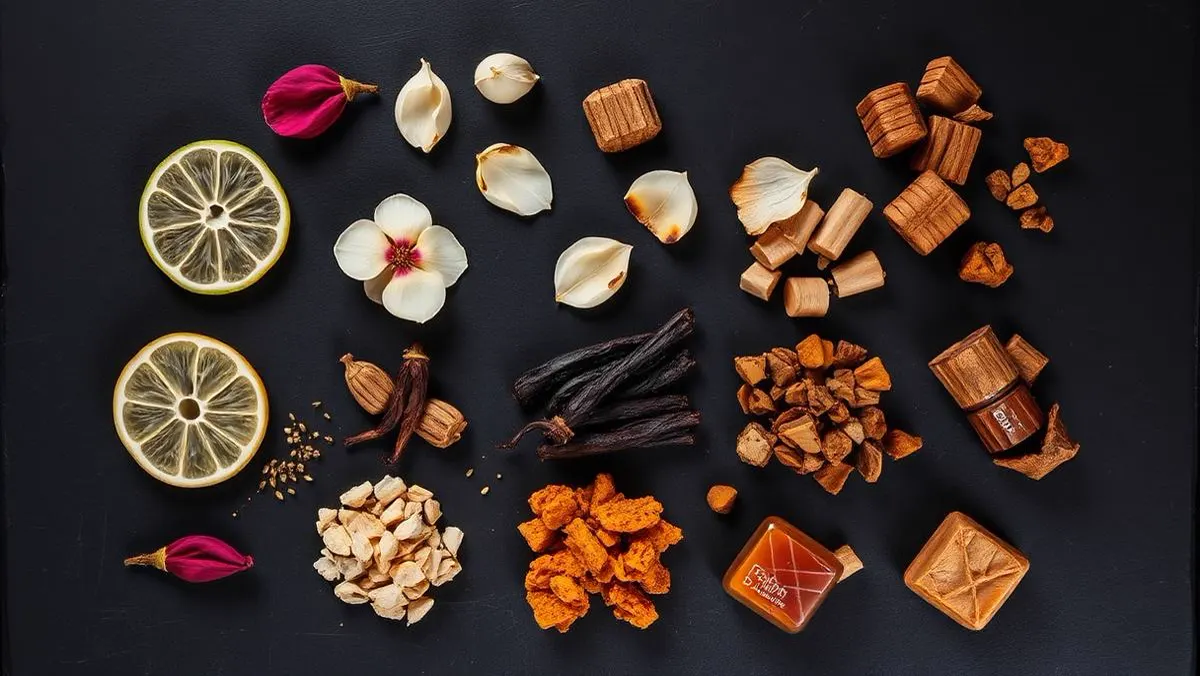
Fragrance shopping gets confusing fast once you hit words like sillage, drydown or accord. This **perfume terms glossary** breaks down the language you will actually run into on bottles, review sites and in shop conversations, so you can talk about scent with confidence, whether you are a beginner or refreshing your knowledge.
Quick answer: the four terms that matter most
Why learning perfume terms actually helps
Perfume language is not there to sound clever. Each perfume term describes something you can actually notice on your own skin, once you know what to look for. Understanding these words means you can read a description, know roughly what you are getting, and avoid buying something that does not suit you.
This glossary covers the perfume terms you will meet most often, grouped by what they describe, so you can jump straight to the section you need.
Perfume terms for concentration
Concentration terms tell you how much perfume oil is mixed into the alcohol base, which affects strength and how long a scent lasts on skin.
- EDT, eau de toilette, roughly 5 to 15 percent oil, light and good for daytime
- EDP, eau de parfum, roughly 15 to 20 percent oil, stronger and longer lasting
- Parfum or extrait, 20 percent or more oil, the richest and most expensive concentration
- Eau de cologne, usually under 5 percent oil, very light and short lived
Concentration terms compared
| Term | Oil percentage | Typical wear time | Best for |
|---|---|---|---|
| Eau de cologne | Under 5% | 1 to 2 hours | Quick refresh, aftershave layering |
| EDT | 5 to 15% | 3 to 5 hours | Daytime, office, warm weather |
| EDP | 15 to 20% | 5 to 8 hours | Everyday wear, evenings |
| Parfum or extrait | 20% and above | 8 hours plus | Special occasions, luxury feel |
Perfume terms for structure and notes
A fragrance is built in layers, and the terms below describe how it changes over the hours you wear it.
- Top notes, the first scent you smell, usually citrus or light florals that fade within thirty minutes
- Heart or middle notes, the main body of the scent, often floral, spicy or fruity, appearing after the top fades
- Base notes, the longest lasting layer, usually woods, musk, vanilla or amber, forming the drydown
- Accord, a blended combination of notes designed to smell like one distinct thing, such as a leather accord
How the structure plays out in real life
Picture a fragrance like Dior Sauvage or a Tom Ford woody blend. In the first ten minutes you get a sharp citrus or pepper burst, that is the top note doing its job of grabbing attention. Within an hour the heart notes take over, often something spicier or slightly sweet. By the third or fourth hour, you are left with the base notes, which is why the same bottle can smell completely different at nine in the morning and nine at night.
Perfume terms for performance
These are the words used to describe how a fragrance behaves once it is actually on your skin, which matters far more than how it smells on a paper strip in a shop.
Sillage describes the trail a perfume leaves as you move, essentially how much of it other people can smell nearby. Projection describes how far a scent radiates directly out from your skin. Longevity is simply how many hours you can still detect the fragrance. A scent can have strong projection but weak longevity, or the reverse, so these terms are not interchangeable even though people often confuse them.
Sillage is what other people smell, longevity is what you smell, and they do not always match.
Drydown refers to the final stage of a fragrance, once the top and heart notes have faded and only the base remains. This is often the truest test of a perfume, since it is what lingers for the second half of the day.
Perfume terms for ingredients
Some perfume terms refer to specific materials rather than categories, and knowing a few of these will help you decode ingredient lists and reviews.
- Ambroxan, a synthetic amber material giving a warm, slightly salty skin scent, common in modern perfumery
- Iso e super, a synthetic woody material used to add smoothness and a soft radiance to blends
- Absolute, a concentrated natural extract, often floral, used in small amounts due to cost
- Oud, a dense, resinous wood scent traditional in Arabic perfumery, prized for its rarity and depth
- Tonka, a warm, slightly sweet bean note often used in base notes alongside vanilla
Perfume terms you will meet while shopping
Batch variation refers to small scent differences between production runs of the same perfume, caused by natural ingredient shifts. Flanker describes a new release that borrows the name and bottle style of an existing popular perfume but changes the scent slightly, common among designer brands looking to extend a successful line.
A dupe or clone is a perfume, often much cheaper, designed to smell close to a well known original. Niche and designer are the two broad category terms covered elsewhere on this site, describing scale of production and marketing approach rather than quality.
How to actually use these perfume terms
You do not need to memorise every word in this glossary. Focus on concentration, sillage, longevity and drydown first, since those four perfume terms will tell you almost everything you need before buying a bottle. The rest are useful extras that come up in reviews and shop conversations over time.
Try applying these terms the next time you test a fragrance. Note the concentration on the box, then track the top notes, heart, and drydown as the hours pass. Doing this a few times trains your nose far faster than reading about perfume terms alone.
How to test a fragrance using these terms, step by step
- Spray once on clean skin, not on a paper blotter, and note the concentration printed on the box
- Track the top notes for the first thirty minutes, writing down what you smell first
- Check back at the one to two hour mark to catch the heart or middle notes
- Smell your wrist again at the six hour mark to judge the drydown and remaining longevity
- Ask someone nearby if they can smell it without leaning in, to get a rough sense of sillage
Quick reference for common perfume terms
Keep this shortlist in mind when you are short on time and just need the basics before a purchase decision or a conversation with a shop assistant.
- Concentration tells you strength, EDT is lighter, EDP and parfum are stronger
- Top, heart and base notes describe the timeline of a scent across a day
- Sillage is the trail others notice, projection is how far it spreads, longevity is how long it lasts
- Drydown is the final, longest lasting stage, and often the most important one to judge
What to do next
Next time you are reading about a fragrance, whether it is a Chanel classic or a budget Lattafa release, come back to this perfume terms glossary if a word trips you up. Understanding perfume terms is a slow, practical skill, built by testing scents on your own skin and paying attention, not by memorising definitions in one sitting.
Frequently asked questions
- What is the difference between EDT and EDP?
- EDT contains roughly 5 to 15 percent perfume oil and feels lighter, while EDP contains roughly 15 to 20 percent, giving it more strength and longer lasting power on skin.
- What does sillage mean in perfume terms?
- Sillage describes the trail of scent a perfume leaves in the air as you move, essentially how noticeable it is to people around you rather than to yourself.
- What is a drydown in perfume?
- The drydown is the final stage of a fragrance, after the top and heart notes fade, leaving mostly base notes like wood, musk or vanilla. It often lasts the longest and reveals the true character of a scent.
- What is an accord in perfumery?
- An accord is a blend of several individual notes combined to create one recognisable smell, such as a leather accord or a gourmand accord, rather than a single raw ingredient.
- What is a perfume flanker?
- A flanker is a new perfume release that shares the name and bottle design of an existing popular scent but has a modified formula, commonly used by designer brands to extend a successful line.
- What does projection mean in perfume terms?
- Projection describes how far a scent radiates outward from your skin, separate from sillage which is the trail left behind as you move. A perfume can project strongly close up but leave little trail at all.
- What is the difference between sillage and longevity?
- Sillage is about how much others can smell around you, while longevity is about how long you personally can still detect the scent. A perfume can be long lasting but low sillage, or the reverse.
- What does batch variation mean in perfume?
- Batch variation refers to small scent differences between production runs of the same fragrance, usually caused by natural ingredient shifts or supplier changes, and is normal even for well known bottles.
Keep reading
Basics
Perfume Notes Explained: Top, Heart and Base in Plain English
Every fragrance is a story told in three chapters. Once you understand the pyramid, shopping for perfume gets far easier.
Basics
EDT vs EDP: What the Difference Really Means on Skin
Two letters on a bottle change the price, the strength and the way a scent behaves on your skin. Here is what they mean.
Basics
Perfume for Beginners: The Only Guide You Need to Start
Start here. Every term, every mistake to avoid and a clear path to your first bottle that you will actually finish.