
How to
Perfume Shelf Life: How Long Does Perfume Really Last?
Perfume does not have a hard expiry date, but it does change. Here is how to read your own bottles.
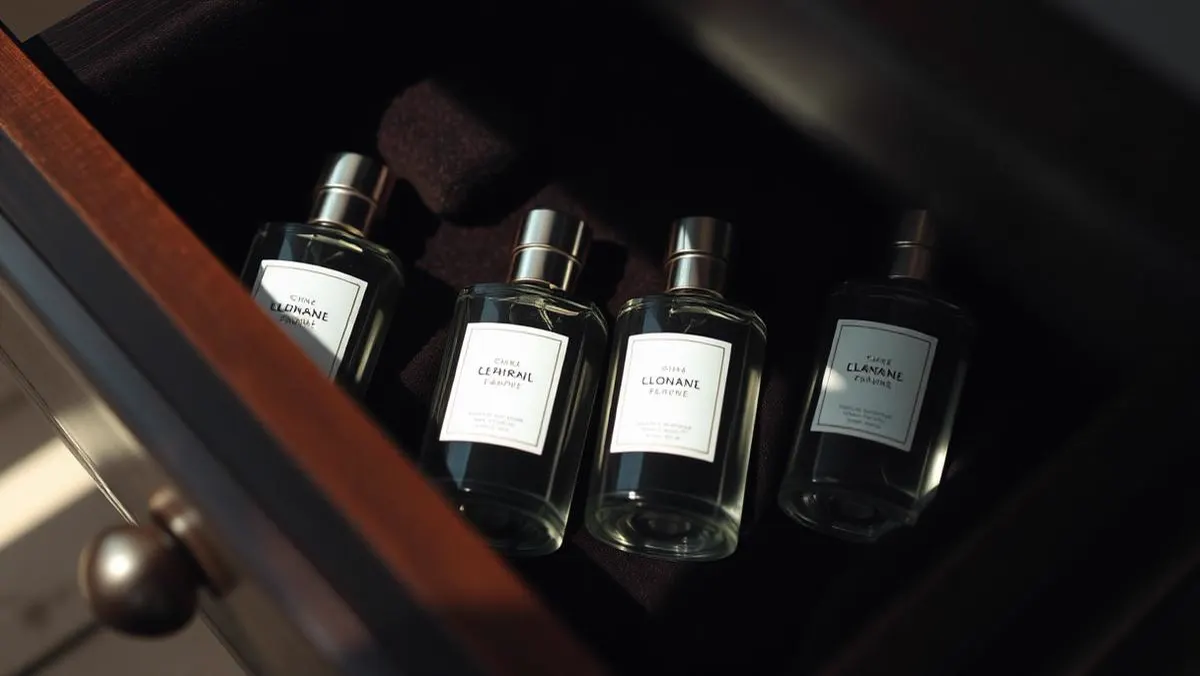
Does perfume expire? Yes, though not in the way food does. Most bottles last two to five years once opened, sometimes much longer with good care. This guide explains what actually happens to fragrance over time, how to tell when a bottle has turned, and how to make yours last as long as possible without sacrificing how it smells.
Does perfume expire?
Perfume doesn't have a hard expiry date the way milk does, but it does change over time. The alcohol, water and aromatic compounds inside a bottle slowly break down through exposure to air, light and heat. Eventually the scent smells different from how it did when you first opened it, sometimes subtly and sometimes quite dramatically depending on the composition.
So the honest answer to does perfume expire is yes, in the sense that it degrades and loses quality, but it's rarely dangerous to use past that point. It just won't smell as good as it once did, and the balance between top, heart and base notes can shift noticeably.
How long does perfume actually last?
An unopened bottle stored well can last many years, sometimes a decade or more, especially heavier scents with lots of woody or ambery base notes. Once opened, most perfumes are at their best within one to five years, depending on the composition and how carefully you store them afterwards.
General shelf life by type
- Eau de cologne and light citrus scents: around 1 to 2 years once opened
- Eau de toilette: around 2 to 3 years once opened
- Eau de parfum: around 3 to 5 years once opened
- Heavy oud, amber or resin based perfumes: often 5 years or more
These are general guides rather than fixed rules. A bottle stored in a cool dark cupboard will always outlast one left on a sunny windowsill, regardless of concentration, and a bottle that's opened and closed daily will age faster than one used sparingly.
What actually causes perfume to degrade
Three things do most of the damage: light, heat and oxygen. Ultraviolet light breaks down aromatic molecules and can change the colour of the liquid over time. Heat speeds up chemical reactions inside the bottle, essentially fast-forwarding the ageing process. And oxygen, which gets in every time you open the cap or use a splash bottle, slowly oxidises the ingredients much like a cut apple browning in the air.
Citrus and fresh top notes are usually the first to go, since they're made of lighter, more volatile molecules that evaporate and break down faster than heavier base notes. That's why an aged bottle often smells like it jumps straight to its base, missing that bright opening burst it used to have when it was new.
A perfume rarely dies overnight. It fades slowly, note by note, starting with the freshest parts of the scent.
How to tell if perfume has gone off
- The liquid has darkened noticeably compared to a fresh bottle of the same scent
- The first spray smells sour, sharp or like vinegar rather than the usual opening notes
- The scent barely lasts an hour when it used to last much longer, with much weaker longevity
- There's cloudiness, separation or sediment visible in the bottle
If you spot any of these signs, it doesn't mean the perfume will harm your skin, but it does mean it's past its best. Patch test on your wrist first if a bottle has been sitting unused for many years, just to be cautious with sensitive skin that might react to degraded ingredients.
How to check an old bottle before wearing it
- Hold the bottle up to natural light and check the colour against your memory or product photos
- Give it a gentle swirl and look for any cloudiness or separation
- Spray once into the air, away from your face, and smell the initial burst
- If it smells sour or sharp, do a small patch test on your inner arm before wearing it properly
- Wait twenty four hours to check for any skin reaction before spraying pulse points as normal
Extending the shelf life of your perfume
The single biggest thing you can do is store bottles away from light and heat, ideally in their original box in a cool cupboard or drawer. Keeping the cap on tightly when not in use also limits how much oxygen gets to the liquid over time, which slows the whole degradation process considerably.
Buying smaller bottle sizes if you have a large collection can also help, since you'll get through each bottle before it has much chance to age. A huge bottle that takes three years to finish will always be more exposed to opening and closing than a smaller one used up within six months.
| Concentration | Oil content | Typical shelf life | Fades fastest in |
|---|---|---|---|
| Eau de cologne | Around 2-4% | 1 to 2 years | Top notes |
| Eau de toilette | Around 5-15% | 2 to 3 years | Top and heart notes |
| Eau de parfum | Around 15-20% | 3 to 5 years | Top notes |
| Parfum/extrait | 20% or more | 5 years or more | Rarely noticeable |
Quick answer: should you throw it out?
If a perfume smells noticeably different, sour, or much weaker than it used to, it's reasonable to retire it, especially if it no longer gives you the experience you paid for in the first place. If it still smells close to how you remember and there's no visible change in colour or clarity, it's likely still fine to enjoy for a good while yet.
Does brand or price affect shelf life?
Not directly. A designer release from Dior or YSL doesn't inherently last longer on the shelf than an affordable Lattafa bottle. What matters far more is the concentration, the specific ingredients used and, above all, how the bottle has been stored since you opened it. A cheap bottle kept in a cool drawer will comfortably outlast an expensive one left on a bathroom shelf for years.
How natural versus synthetic ingredients affect shelf life
Not all fragrance ingredients age at the same rate. Natural essential oils, particularly citrus extracts like bergamot and lemon, are chemically unstable and break down faster than lab-created synthetic molecules built specifically for stability. This is one reason a perfume built heavily around fresh, natural citrus can start to fade or turn within a year or two, while a modern fragrance leaning on synthetic musks, ambroxan or long-lasting woody bases can hold its character for many years longer with the same storage conditions.
This isn't a case of one approach being better than the other; naturals often smell richer and more complex initially, while synthetics offer consistency and longevity. It does mean that if you know a favourite scent is built around delicate natural citrus or green notes, it's worth using it up a little sooner rather than letting it sit unopened for years, since those are exactly the notes that fade first regardless of how well the bottle is stored.
What to do with fragrances you no longer wear
Most collections end up with at least one or two bottles that no longer get reached for, whether tastes have changed or the scent simply didn't work out as hoped. Rather than letting these sit and degrade for years, consider decanting a small amount into a travel atomiser to use occasionally, passing the bottle on to a friend or family member whose taste suits it better, or using it purely as a room or linen spray where the exact performance on skin matters less.
| Option | Effort required | Best for |
|---|---|---|
| Decant into a travel atomiser | Low | Occasional use without wasting the full bottle |
| Gift or swap with another enthusiast | Low | Bottles that suit someone else's taste better |
| Use as a linen or room spray | Very low | Scents that no longer work on skin |
| Keep for seasonal rotation | None | Fragrances that only suit a specific time of year |
Signs a fragrance is actually fine to keep wearing
It's easy to become overly cautious after learning how fragrance degrades, but plenty of older bottles are still perfectly enjoyable to wear. If the colour looks the same as you remember, the opening spray smells clean rather than sour, and the overall character of the scent still feels recognisably like the fragrance you fell for originally, there's no real reason to stop wearing it. Slight softening of the top notes over several years is completely normal and doesn't necessarily mean a bottle needs retiring.
A useful habit is comparing an older bottle against a fresh sample or a friend's newer bottle of the same scent every so often, just to keep a mental benchmark of how it's supposed to smell. If the two are close, you're almost certainly fine to keep wearing it for years to come without worrying unnecessarily about its age.
What to do next
Check the oldest bottles in your collection for colour changes or an off smell on first spray, and move anything at risk into cooler, darker storage right away. Going forward, buy smaller sizes of scents you don't wear often, and store everything away from light and heat from day one so it lasts as long as it possibly can.
Frequently asked questions
- Does perfume expire or go bad over time?
- Yes, perfume gradually degrades due to exposure to light, heat and oxygen. It isn't dangerous the way spoiled food is, but the scent changes and weakens over time, especially the lighter top notes like citrus.
- How long does an opened bottle of perfume last?
- Most opened perfumes stay in good condition for two to five years, depending on the concentration and how they're stored. Eau de parfum tends to last longer than eau de toilette or cologne due to its higher oil content.
- How can you tell if perfume has gone off?
- Look for a darker colour, a sour or sharp smell on the first spray, noticeably shorter longevity on skin, or cloudiness in the liquid. Any of these suggest the fragrance has degraded from age or poor storage.
- Is it safe to use old perfume?
- Generally yes, since perfume rarely becomes harmful, just less pleasant smelling. If you have sensitive skin, it's worth doing a small patch test first on old bottles that have been stored for many years.
- Does unopened perfume last longer than opened perfume?
- Yes, an unopened bottle stored properly can last many years without much change, since it hasn't been exposed to repeated air contact. Opening a bottle starts a slower ageing process every time oxygen gets in.
- Does perfume expire faster in summer?
- Yes, warmer ambient temperatures speed up the chemical breakdown inside the bottle, particularly if it's stored somewhere that heats up during summer months, like a car or a sunny room. Keeping it in a stable, cool spot year round slows this down considerably.
- Can you still use perfume that has changed colour?
- Usually yes, since colour change alone doesn't make it harmful, though it often signals the scent has degraded and won't smell quite as it should. It's worth a small patch test and a cautious sniff before wearing it properly.
Keep reading
How to
How to Make Perfume Last Longer: 12 Fixes That Genuinely Work
Most people lose hours of wear through small mistakes. Fix these and the same bottle suddenly performs better.
How to
How to Store Perfume So It Lasts Years, Not Months
Your bathroom shelf is the worst place in the house for perfume. Here is where it should live instead.
How to
How to Apply Perfume Correctly: Where to Spray and How Much
Rubbing your wrists together is only the start of it. Small application changes add hours to your wear time.