
How to
How to Store Perfume So It Lasts Years, Not Months
Your bathroom shelf is the worst place in the house for perfume. Here is where it should live instead.
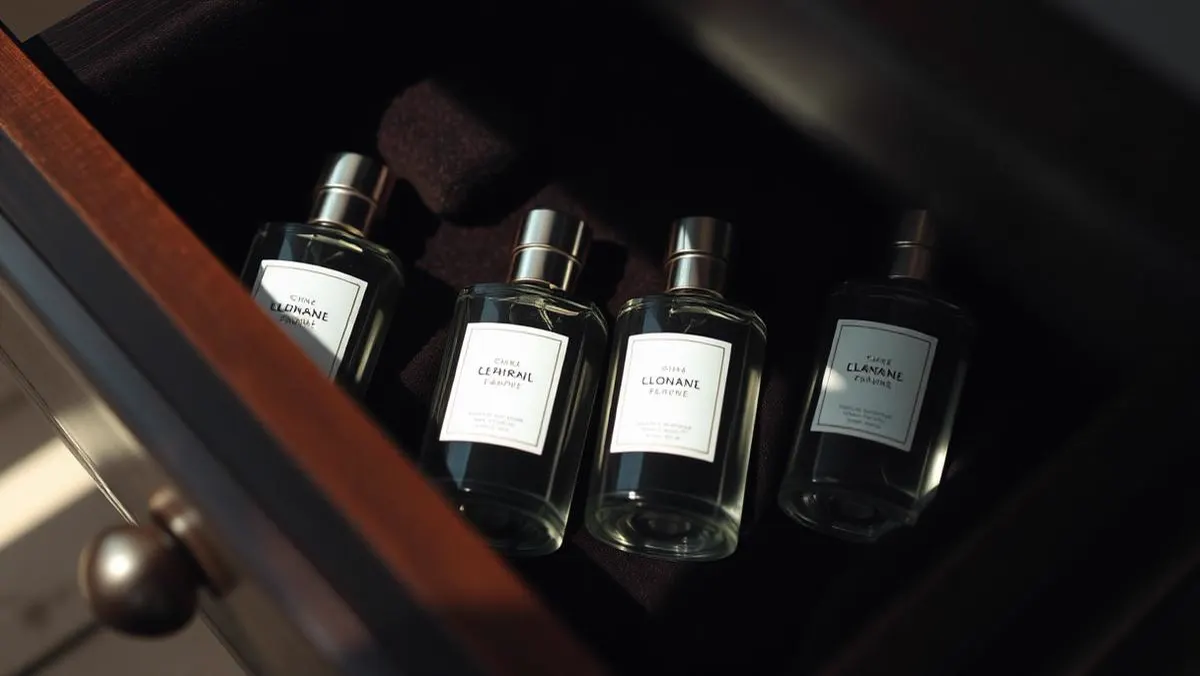
Knowing how to store perfume properly can add years to a bottle's life and keep every spray smelling exactly as the perfumer intended. Heat, light and air are a fragrance's worst enemies, and most people unknowingly keep their bottles in exactly the wrong spot in the house. Here's how to protect your collection properly, whether you own one bottle or twenty.
Quick answer: the correct way to store perfume
Keep bottles upright, capped tightly, and in a cool, dark, stable-temperature spot such as a bedroom drawer or closed cupboard, ideally in their original box. Avoid the bathroom, windowsills, car interiors and anywhere near radiators or direct sunlight, since heat and light are what actually break perfume down.
Why perfume storage matters
Perfume is a mix of alcohol, water and delicate aromatic compounds. Those compounds break down when exposed to heat, sunlight and oxygen. Once they degrade, the top notes can turn sour, the colour can darken, and the whole composition can smell flatter or slightly off compared to how it smelled on the day you opened it.
This matters whether you own one bottle or a whole shelf of them. A modestly priced perfume stored well will often outlast an expensive one stored badly. Learning how to store perfume correctly is one of the simplest ways to protect the money you've already spent, and it costs you nothing beyond a few minutes of rearranging.
The worst place to keep perfume
The bathroom is the single worst spot in most homes. It's warm, humid and often has a window that lets in direct sunlight. Every hot shower creates a mini sauna that speeds up the breakdown of the juice inside the bottle, even with the cap screwed on tight, because heat and humidity still reach the glass and the air trapped inside.
Windowsills are almost as bad. Direct sunlight heats the glass and degrades the fragrance quickly, sometimes within weeks if the spot catches strong afternoon sun. Car glove boxes and dashboards are also terrible, since temperatures inside a parked car can swing from freezing to well over forty degrees within a single day.
If a spot in your home gets warm sunlight or steam, it is not a safe place for perfume, no matter how nice it looks lined up on the sill.
How to store perfume the right way
The ideal storage spot is cool, dark and stable in temperature. A bedroom drawer, a closed cupboard or a dedicated box away from radiators and windows all work well. Original boxes help block light completely and are worth keeping if you have the space for them, rather than throwing them out the moment you unwrap a new bottle.
Good storage habits
- Keep bottles upright to reduce contact between the juice and the cap or atomiser mechanism
- Store in original boxes when possible to block out light completely
- Choose a cupboard or drawer away from radiators, ovens and direct sun
- Keep the cap on tightly when not in use to limit oxygen exposure
- Avoid the bathroom, car and any windowsill entirely
A cool bedroom or hallway cupboard is usually the most practical option for most homes, since it stays at a stable temperature all year without needing anything special or expensive.
A quick storage checklist
- Walk round your home and identify every spot currently holding a bottle
- Move anything from a bathroom, windowsill or car straight into a cupboard or drawer
- Reunite bottles with their original boxes if you still have them
- Check that the chosen storage spot is nowhere near a radiator, oven or south-facing window
- Recheck the spot's temperature in both summer and winter, since some cupboards heat up seasonally
Should you refrigerate perfume?
Some collectors keep valuable niche or vintage bottles in a mini fridge dedicated to fragrance, and it does slow down degradation further. For most people this isn't necessary. A cool, dark cupboard achieves nearly the same result without the extra hassle or the risk of condensation forming when you take a cold bottle out into a warm room.
If you do want to try it, keep the perfume in its box inside the fridge to avoid condensation on the glass, and let it come back to room temperature before spraying, since very cold liquid sprays differently through the atomiser and can even clog it temporarily.
Does the type of bottle matter?
Yes. Clear glass bottles let in more light than tinted or opaque glass, so they degrade faster if left exposed on a shelf. Spray atomisers also protect the juice better than open splash bottles, since less air gets in with every single use, which slows down oxidation over the years.
If your favourite scent comes in a clear bottle, it's worth being extra careful about storage since it has less natural protection built in. Keeping it in its box solves this problem completely and costs you nothing.
| Location | Temperature stability | Light exposure | Verdict |
|---|---|---|---|
| Bathroom cabinet | Poor, steam swings | Often has a window | Avoid |
| Windowsill | Poor, sun heats glass | Direct sunlight | Avoid |
| Car interior | Very poor, extreme swings | Variable | Avoid |
| Bedroom drawer | Good, stable | None if closed | Recommended |
| Dedicated fridge | Excellent | None | Optional, for valuable bottles |
Signs your perfume has degraded
- The colour has noticeably darkened compared to when you bought it
- The opening spray smells sharp, sour or like vinegar
- The scent fades much faster on skin than it used to, with weaker longevity
- There's visible sediment or cloudiness in the liquid
If you notice any of these, the perfume probably still won't harm your skin, but it won't smell as intended. It's a sign the bottle wasn't stored well, or that it's simply reached the end of its useful life after years of being opened and closed.
Travelling with perfume safely
Holidays are one of the riskiest times for a bottle, since suitcases sit in hot car boots, aircraft holds and sun-baked hotel rooms. If you're taking a favourite scent away with you, decant a small amount into a travel atomiser rather than packing the full bottle, and keep it in your hand luggage rather than checked baggage where temperature swings are worse.
Wrapping a bottle in clothing inside your case also offers a little insulation against sudden temperature changes, though it's no substitute for simply keeping the bulk of your collection safely at home.
Storing perfume samples and decants
Small vials and decants are often treated as an afterthought, tossed into a makeup bag or left loose in a drawer, but they're arguably more vulnerable than full-size bottles. A decant usually sits in a smaller container with a bigger ratio of air to liquid once it's been used a few times, which means faster oxidation than the original bottle it came from. Keep decants somewhere dark and cool just like full bottles, and try to use them within a year or so of decanting rather than letting them linger for years.
If you swap samples with other fragrance enthusiasts or buy them from a decanting service, check the vial is properly sealed and made from glass rather than thin plastic, since plastic can interact with certain aromatic compounds over time and subtly change the smell. A small dark glass vial with a tight atomiser top is by far the safest way to carry a taste of a fragrance without risking the rest of your collection.
How humidity affects your fragrance collection
Temperature gets most of the attention, but humidity plays a role too, particularly for anyone storing bottles in a converted loft, a damp older house or a coastal climate with high moisture in the air. Excess humidity can encourage the metal parts of a spray mechanism to corrode slowly, which eventually leads to a weaker or uneven spray pattern even if the juice itself is still in good condition. A consistently damp environment isn't ideal for label integrity either, since paper labels can peel, warp or grow mould-like spotting over several years.
A simple fix is a small silica gel packet tucked into the drawer or cupboard where you keep your bottles, the same kind that comes packed with new electronics or shoes. It's a cheap way to keep the air around your collection a little drier without needing a dedicated dehumidifier for what might only be a handful of bottles.
Best storage solutions for a growing collection
Once you own more than a handful of bottles, storage stops being about finding one good drawer and starts being about organising a small system. A dedicated cupboard shelf, a lidded storage box, or a proper display cabinet with a solid door all work, as long as light stays out and the space doesn't sit near a heat source like a radiator or a sunny wall. Vertical dividers or small trays stop bottles from clinking together and toppling every time you open the door, which matters more than people expect once a collection grows past ten or fifteen bottles.
If you like the idea of an open display for aesthetic reasons, consider keeping your most-used, hardier eau de parfum bottles out on show while tucking rarer, more delicate or vintage pieces away in a closed, dark space where they're properly protected. That way you get the best of both worlds: something nice to look at daily, and your most precious bottles kept safely out of the light.
What to do next
Walk round your home and move any bottles sitting on windowsills, bathroom shelves or near radiators into a cool, dark cupboard or drawer. It takes ten minutes and it's the single biggest thing you can do to make your collection last longer without spending another penny.
Frequently asked questions
- Where is the best place to store perfume at home?
- A cool, dark cupboard or drawer away from windows, radiators and bathrooms is best. Stable temperature and no direct light are the two things that matter most for keeping perfume fresh for as long as possible.
- Does perfume go bad if kept in the bathroom?
- Yes, bathrooms are warm and humid from showers, which speeds up the breakdown of fragrance oils. Even with the cap on, repeated heat and steam exposure will shorten a bottle's life noticeably compared to a cupboard.
- Should I keep perfume in its original box?
- Yes, if you have the space. The box blocks out light completely, which is one of the main things that degrades fragrance over time. It's a simple, free way to extend a bottle's life significantly.
- Is it safe to keep perfume in the fridge?
- It's not necessary for most people, but it can work for valuable bottles if stored in the box to avoid condensation. Let it warm to room temperature before spraying, since cold liquid can spray unevenly through the atomiser.
- How do I know if my perfume has gone off?
- Look for a darker colour than when you bought it, a sharp or sour smell on first spray, or a scent that fades much faster than usual. These all suggest the perfume has degraded from heat, light or air exposure.
- Can you store perfume in a wine fridge or cooler?
- Yes, a wine fridge set to a stable cool temperature works well for a larger collection, as long as bottles are upright and not exposed to internal lighting for long periods. It's a popular option among serious collectors.
- Does perfume last longer in a spray bottle or a splash bottle?
- Spray bottles generally protect fragrance better, since each use lets in less air than tipping liquid out of an open splash bottle. Less oxygen exposure over time means slower oxidation and a longer useful life.
Keep reading
How to
How to Make Perfume Last Longer: 12 Fixes That Genuinely Work
Most people lose hours of wear through small mistakes. Fix these and the same bottle suddenly performs better.
How to
How to Apply Perfume Correctly: Where to Spray and How Much
Rubbing your wrists together is only the start of it. Small application changes add hours to your wear time.
How to
Perfume Shelf Life: How Long Does Perfume Really Last?
Perfume does not have a hard expiry date, but it does change. Here is how to read your own bottles.