
Families
Best Rose Perfumes: Modern Roses That Do Not Smell Old Fashioned
Rose has escaped the dressing table. These are the jammy, spicy and metallic roses that feel current.
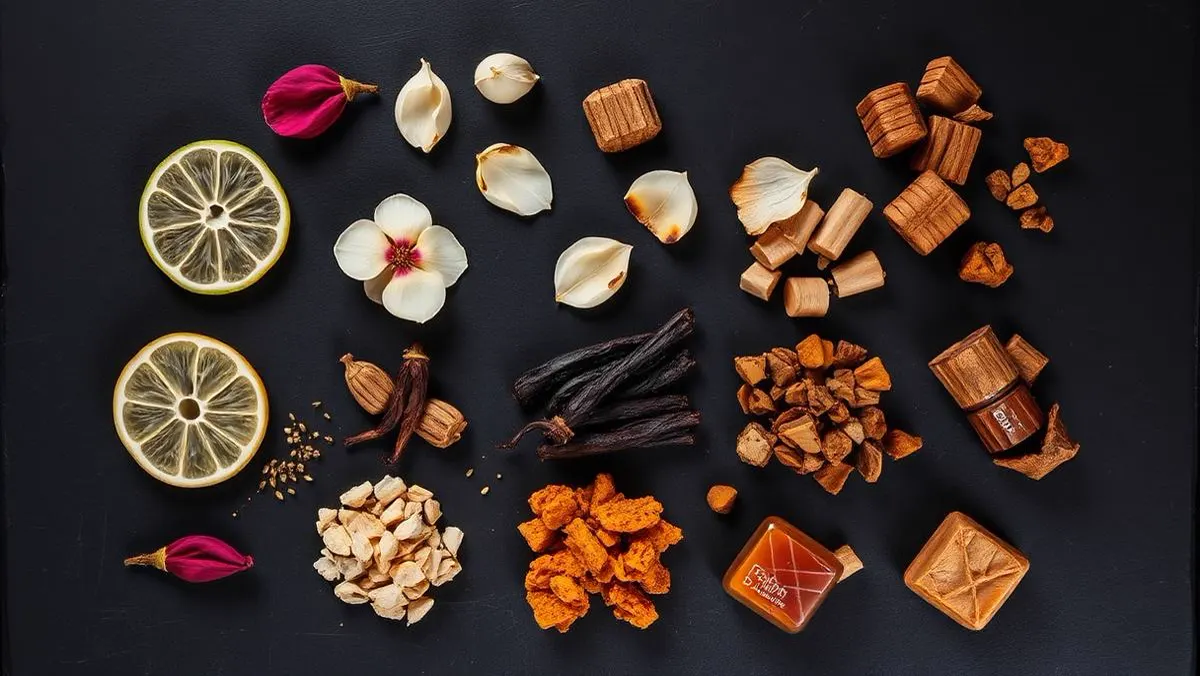
Rose is one of the oldest and most versatile notes in perfumery, and the best rose perfumes prove it can be fresh, dark, spicy or powdery depending on how it is blended. Whether you love a soft romantic scent or a bold modern rose with real **projection**, there is a version built for you and your particular skin chemistry.
Why rose remains a timeless choice in the best rose perfumes
Rose has been used in perfumery for centuries, and it still anchors some of the most loved scents on the market. Part of the appeal is how flexible it is. Blended with citrus it feels fresh, with oud it feels dark and moody, and with vanilla it turns soft and comforting. That range is exactly why the best rose perfumes rarely feel dated, unlike some single-note trends that come and go within a few seasons.
There are two main types of rose used in perfumery: rose absolute, which is deep, jammy and intense, and rose otto, which is brighter, greener and more delicate. Many perfumes blend both to get depth and freshness at the same time, giving a more three-dimensional accord than either could achieve alone.
Types of rose scent and how to tell them apart
Not every rose perfume smells the same, and knowing the style helps you choose faster. Some lean powdery and old-fashioned, in a good, elegant way. Others go modern and juicy, closer to fresh cut flowers. Then there are dark rose blends that pair the flower with oud, patchouli or leather for something moodier and far heavier on sillage.
- Powdery rose: soft, classic, often with iris or violet
- Fresh rose: green, dewy, paired with citrus or aquatic notes
- Dark rose: paired with oud, patchouli or leather
- Sweet rose: paired with vanilla, amber or fruit notes
- Spicy rose: paired with saffron, pepper or cardamom
| Style | Character | Best season |
|---|---|---|
| Fresh rose | Green, dewy, light | Spring/summer |
| Powdery rose | Soft, classic, romantic | Any season, daytime |
| Dark rose (oud/leather) | Moody, intense, long-lasting | Autumn/winter |
| Spicy rose | Warm, peppery, layered | Autumn, evening |
Strong picks by style
For a soft, romantic everyday rose
Look for rose paired with light musk or peony, which keeps things fresh and wearable without feeling old-fashioned. These are ideal for weddings, daytime events or anytime you want something classically pretty with moderate longevity rather than an aggressive statement scent.
For a bold, modern rose
Rose and oud combinations, popular in Arabic perfumery and brands like Ajmal, give a much richer and longer-lasting result. These suit evenings and colder months when you want a scent with real presence and depth, and they typically outlast lighter rose compositions by several hours.
For a luxury take on rose
Houses like Dior, Creed and Parfums de Marly have built well-regarded rose fragrances that lean elegant rather than sweet, often blending rose with woods or subtle spice for a more grown-up finish that avoids feeling like a straightforward floral.
Rose can be as soft as a garden in spring or as dark as a candlelit room. The best rose perfumes know exactly which one they want to be.
How to wear rose perfumes well
Rose can skew powdery or old-fashioned if applied too heavily, so start with fewer sprays than you might with a citrus or woody scent. Pulse points like the wrists and the base of the neck work well, letting the scent warm gradually through the day rather than blasting it all at once and overwhelming the room.
Layering can help too. A light rose-scented body lotion under a rose eau de parfum extends the wear without needing extra sprays, which is useful if you find rose fragrances fade faster than you would like given how delicate some rose absolutes can be.
A simple layering routine
- Apply an unscented or matching rose body lotion straight after showering
- Let the skin absorb the lotion fully before dressing
- Spray your rose eau de parfum on pulse points once dressed
- Carry a travel spray for a light top-up in the evening if needed
Rose across seasons and occasions
Fresh, green rose blends suit spring and summer beautifully, especially for daytime wear or weddings. Darker rose and oud combinations come into their own in autumn and winter, when you want something warmer and more grounded. This makes rose one of the few notes that genuinely works all year round if you choose the right version and adjust your concentration accordingly.
- Spring/summer: fresh rose with citrus or green notes
- Autumn/winter: dark rose with oud, spice or amber
- Weddings: soft, powdery rose with musk or peony
- Evening events: rose paired with patchouli or leather
Budget versus luxury rose perfumes
You do not need a luxury budget to get a convincing rose scent. Several affordable options from Lattafa and other value-focused houses deliver strong rose and oud combinations with impressive longevity. Luxury and niche options tend to offer more nuance and a smoother blend, which matters more to some noses than others, but it is rarely a dramatic gap in basic performance.
How we tested these rose perfumes
We wore each fragrance for a full day across different settings, from the office to evening events, tracking how the rose note held its shape as the scent developed. Rose can turn either sharp or soapy if poorly blended, so we paid close attention to how each one settled after the first hour and how the drydown compared to the opening.
How skin chemistry affects the way rose perfumes wear
Rose is a surprisingly changeable note on skin, and skin chemistry plays a big part in whether it reads as fresh, jammy or slightly soapy. Warmer, oilier skin tends to deepen rose and pull it towards the jammier, more rose-absolute end of the spectrum, while drier skin can make the same fragrance feel greener and more fleeting, sometimes fading within a couple of hours rather than lingering into the evening. Neither is wrong, but it does mean a rose perfume that a friend raves about might behave quite differently on you.
If you know your skin runs warm, a lighter fresh rose with citrus or aquatic notes will stop things tipping into overly ripe territory. If your skin runs cool or dry, a rose with amber, oud or musk in the base will hold its shape far better than a delicate rose otto composition that simply does not have the staying power to survive six hours on drier skin.
Common mistakes people make when buying rose perfumes
A frequent mistake is choosing a rose perfume based purely on the bottle or brand reputation without actually smelling the drydown. Rose can turn soapy, powdery or even slightly sharp in a poorly balanced formula, and this usually only becomes obvious an hour or two in, well after the initial impression in the shop. Buying blind based on packaging alone is one of the most common regrets people report with rose fragrances.
Another mistake is over-applying. Because rose can smell delicate at first spray, it is tempting to add extra sprays, but this often pushes the scent into old-fashioned, overwhelming territory rather than making it last longer. Fewer, well-placed sprays on pulse points almost always give a more flattering, more modern result than heavy application.
| Skin type | Effect on rose | Suggested style |
|---|---|---|
| Warm/oily skin | Deepens, reads jammier | Fresh rose with citrus or green notes |
| Dry skin | Fades quickly, reads greener | Rose with oud, amber or musk in the base |
| Average/normal skin | Balanced, true-to-bottle development | Most styles work well |
How to test a rose perfume properly before buying
Always test on skin rather than a paper strip, and give it time. Rose perfumes typically open bright and slightly sharp, move into a fuller, more rounded heart, and only reveal their true character once the base notes, whether musk, oud or woods, come through. Checking back at the twenty minute, two hour and six hour marks gives a far more honest picture than judging from the first spray alone.
It is also worth testing more than one rose perfume side by side rather than relying on memory between shop visits, since rose styles vary enormously and a fresh green rose can smell almost unrelated to a dark, spicy one despite sharing the same headline note.
- Spray on the wrist or inner arm, not a testing strip
- Wait at least twenty minutes before forming a first impression
- Check again after two hours for the heart notes
- Check a final time after six hours to judge true longevity
What to do next
Decide whether you want fresh, powdery or dark rose, then test a couple of options in that style on your skin for a full day. The best rose perfumes reward patience, since the true character of the rose note often only appears once the top notes have faded away and the heart settles in.
Frequently asked questions
- Does rose perfume smell different depending on skin type?
- Yes. Warmer, oilier skin tends to deepen rose towards a jammier character, while drier skin can make the same scent feel greener and fade faster. This is why the same bottle can perform quite differently from person to person.
- How many sprays of rose perfume should I use?
- Fewer than you might think. Two or three sprays on pulse points usually gives a more flattering, modern result than heavy application, since over-spraying rose can tip it into old-fashioned or overwhelming territory quite quickly.
- What are the best rose perfumes for everyday wear?
- Fresh rose blends paired with light musk or citrus tend to work best for daily wear, since they feel clean and easy rather than heavy. These suit the office, casual days out and most social settings without overwhelming a room.
- Do rose perfumes smell old-fashioned?
- Some classic powdery rose scents can lean traditional, but modern blends pairing rose with oud, fruit or fresh green notes feel current and are popular with a wide range of ages, not just older generations who grew up with classic florals.
- What is the difference between rose absolute and rose otto?
- Rose absolute is deep, rich and jammy, extracted using solvents, while rose otto is lighter, greener and more delicate, extracted through steam distillation. Many perfumes blend both for a fuller, more rounded rose accord and better overall longevity.
- Can men wear rose perfumes?
- Yes. Rose paired with oud, spice or woods reads as bold and masculine rather than floral in the traditional sense, and it is a popular choice in Middle Eastern perfumery for men's fragrances with strong projection.
- Why does rose perfume smell different after a few hours?
- Rose is often used in the heart of a fragrance, so it shows up after the top notes fade and continues developing as base notes like musk or woods come through, which changes its character over the course of the day.
- Is rose and oud the best combination for longevity?
- It is one of the strongest, since oud is a heavy base note that anchors the lighter rose on top. This pairing typically lasts significantly longer than a simple fresh rose scent built mainly on lighter, more volatile notes.
- What season is best for wearing rose perfume?
- Rose genuinely suits every season if you choose the right style. Fresh green rose works beautifully in spring and summer, while dark rose blended with oud or amber comes into its own during autumn and winter months.
Keep reading
Families
Floral Perfumes Guide: Rose, Jasmine and Tuberose Explained
Florals range from a single quiet rose to an entire garden. Knowing the difference saves a lot of wasted money.
Oud
Oud Perfumes Guide: How to Wear Oud Without Overpowering a Room
Oud is the most expensive raw material in perfumery. This guide explains why, and which bottles are worth trying first.
Occasion
Best Wedding Perfumes: Scents for the Bride, Groom and Guests
A wedding scent has to last from morning prep to the last dance without smothering anyone at the top table.