
Families
Floral Perfumes Guide: Rose, Jasmine and Tuberose Explained
Florals range from a single quiet rose to an entire garden. Knowing the difference saves a lot of wasted money.
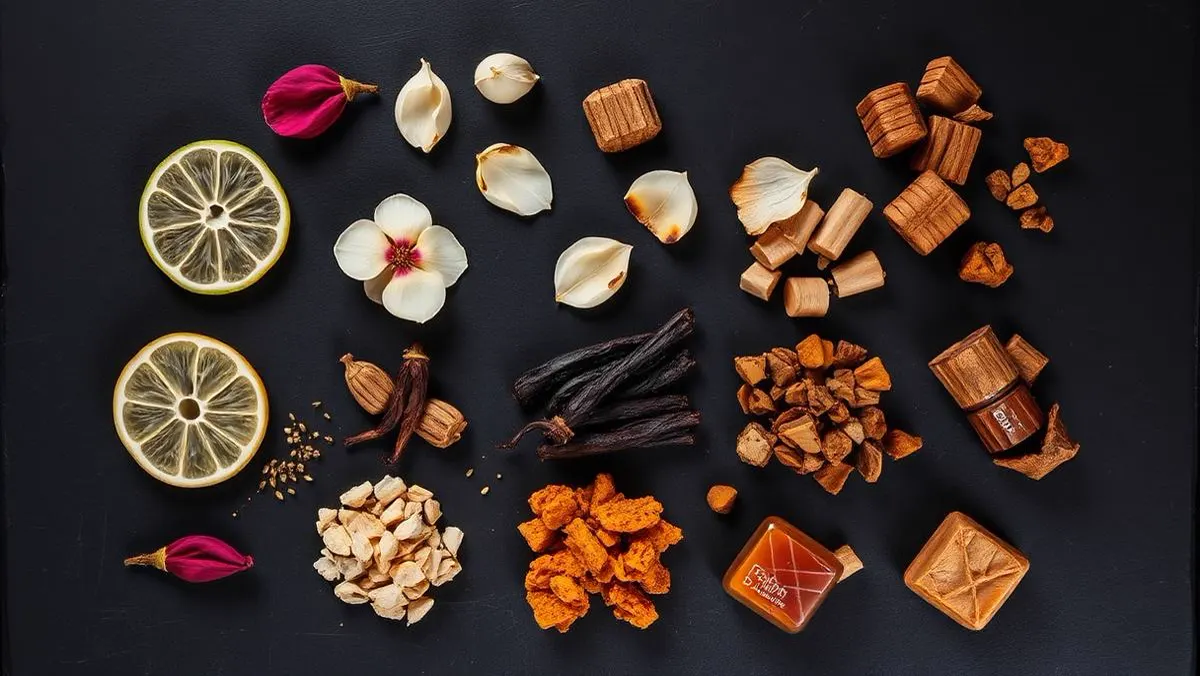
Floral perfumes are the largest and most varied family in fragrance, covering everything from a single soft rose to a huge, complex bouquet of a dozen flowers. If you are trying to find your way through floral perfumes without getting lost in the options, this guide breaks down the main styles, the notes worth knowing, and where to start depending on how bold or subtle you want your signature scent to feel.
Quick answer: how do you choose a floral perfume
Work out which real flowers you actually like the smell of first, then match that to a category, single floral, bouquet, fruity floral or floral oriental, before you start testing bottles. Lighter florals with citrus or green notes suit daytime and office wear, while richer floral orientals with amber or vanilla work better for evenings and special occasions.
What counts as a floral perfume
A floral perfume is one where flower notes, like rose, jasmine, peony, lily of the valley or orange blossom, take the lead role in the composition. They can appear as a single dominant flower or as a blend of several, often referred to as a bouquet, and the balance between them defines the overall personality of the scent.
Florals sit right in the middle of the fragrance pyramid, usually in the heart notes, which means they tend to appear a little while after the top notes fade, and they often stick around through most of the wear. This is part of why floral perfumes feel so recognisable and consistent throughout the day compared to citrus led scents.
Floral perfumes are rarely just floral on their own. They are often paired with fruity notes for sweetness, woody notes for depth, or musk for a soft, skin like finish. The way a floral is supported changes its whole personality, sometimes quite dramatically.
The main types of floral perfumes
- Single florals - built around one dominant flower, like a pure rose or jasmine
- Floral bouquets - several flowers blended together for a fuller, rounder scent
- Fruity florals - flowers paired with berries, peach or apple for a sweeter feel
- Woody florals - flowers grounded with sandalwood or cedar for extra depth
- Floral orientals - flowers combined with amber, vanilla or spice for warmth
Knowing which of these categories appeals to you makes shopping much easier. Someone who loves a soft, single rose scent will likely feel overwhelmed by a dense floral oriental, and vice versa, so it helps to test a couple from each category before settling on a favourite family to explore further.
Why floral perfumes remain so popular
Flowers are one of the most universally pleasant smells in nature, which is a big part of why floral perfumes have stayed popular for centuries. They feel romantic, elegant and approachable without needing much explanation, which matters when a scent is meant to represent you at a first impression level.
They are also incredibly versatile. A light, single floral works well for daytime and the office, while a richer floral oriental suits evening events and weddings. Few other fragrance families offer this much range while still staying recognisably within one category and one general mood.
A great floral perfume does not smell like a flower shop. It smells like a flower, softened and warmed by skin.
Some of the best floral perfumes to try
Classic and iconic choices
Chanel No 5 remains the reference point for floral perfumes generally, built around a huge bouquet of jasmine and rose softened with aldehydes. Dior's Miss Dior is another classic, leaning more towards a fresh, rosy floral with a touch of chypre underneath that keeps it from feeling too sweet.
Modern and versatile picks
YSL's Black Opium mixes coffee and vanilla with white flowers for a modern, slightly gourmand floral. If you prefer something lighter, Jo Malone London's Peony and Blush Suede offers a soft, fruity floral that works well for daytime wear without feeling too heavy or overdressed for the occasion.
Comparing key floral perfumes
| Fragrance | Style | Occasion | Intensity |
|---|---|---|---|
| Chanel No 5 | Aldehydic floral bouquet | Evening/formal | Strong |
| Dior Miss Dior | Fresh rosy chypre floral | Daytime/office | Moderate |
| YSL Black Opium | Gourmand white floral | Evening | Strong |
| Jo Malone Peony & Blush Suede | Light fruity floral | Daytime | Light |
How to choose the right floral perfume for you
Start by thinking about which real flowers you actually like the smell of. If you enjoy the smell of fresh roses in a garden, look for rose forward perfumes first rather than jumping straight into a complex, multi flower bouquet that might feel overwhelming on first wear.
Consider the occasion too. Lighter florals with citrus or green notes tend to suit daytime and office wear, while richer floral orientals with amber or vanilla work better for evenings, dates or weddings where a bit more presence is welcome.
Quick tips before you commit
- Test on skin, not just from the bottle, since florals develop over time
- Pick a season in mind, lighter florals for summer, richer ones for cooler months
- Try a rose and a jasmine forward scent side by side to see which you prefer
- Do not judge a floral perfume from the first five minutes alone
How we tested and compared floral perfumes
We wore each floral perfume across a full day and checked back at regular intervals, since florals often shift noticeably as they dry down. A rose that smells sharp and green at first can turn soft and powdery a few hours later, and that shift matters when deciding if a scent suits you long term.
We also compared florals across different weather conditions, since heat tends to intensify floral notes while cooler weather softens them, which can change how a perfume performs depending on the season and even the humidity on a given day.
Floral perfumes versus floral orientals: what is the difference
A straightforward floral perfume keeps the flowers front and centre, supported by light green, fruity or musky touches that let the bouquet do most of the talking. A floral oriental, sometimes called a floriental, takes those same flowers and wraps them in warm amber, vanilla, resin or spice, giving the whole thing a heavier, more sensual feel that tends to read as evening wear rather than something you would reach for on a Tuesday morning commute.
The confusion usually happens because both categories share the same central flowers, jasmine, rose, tuberose and ylang ylang all appear regularly in each. What changes is everything built around them. If a perfume feels light, clean and slightly transparent, it is likely a straight floral. If it feels dense, warm and lingers heavily in a room after you have left it, you are almost certainly wearing a floral oriental, and it is worth knowing which one you actually prefer before buying full bottles in either direction.
How to layer floral perfumes with other scents
Florals layer surprisingly well because they sit in the heart of a fragrance and tend to blend rather than clash with whatever is worn alongside them. A light rose perfume layered under a woody or musky base note fragrance can add a soft floral lift without overwhelming the combination, which is a popular trick among people who like customising their scent without buying a completely new bottle for every mood.
The easiest starting point is applying an unscented body lotion first, then spraying your floral perfume over the top, which helps it last longer and blend more evenly into the skin. From there, experienced layering usually means combining a light floral with something in a different family entirely, a citrus or a soft musk, rather than stacking two heavy florals together, since that combination tends to compete rather than complement and can end up smelling muddled instead of considered.
Common floral notes at a glance
| Floral note | Character | Common pairing | Best worn |
|---|---|---|---|
| Rose | Soft, romantic, slightly powdery | Oud, musk or patchouli | Year-round |
| Jasmine | Rich, heady, slightly indolic | Vanilla or amber | Evening |
| Peony | Light, fresh, slightly fruity | Fruit or green notes | Daytime |
| Tuberose | Creamy, intense, waxy | Coconut or vanilla | Evening |
| Orange blossom | Bright, honeyed, green | Citrus or musk | Spring/summer |
Final thoughts on floral perfumes
Floral perfumes offer more range than almost any other fragrance family, from a simple single rose to a rich, warm floral oriental. Work out which real flowers you enjoy, think about when you plan to wear the scent, and test a few options on skin before deciding. Floral perfumes reward a little patience, since their true character often only shows up after an hour or two of wear.
Frequently asked questions
- What are the best floral perfumes for everyday wear
- Lighter single florals or fruity florals tend to work best day to day, since they feel fresh rather than overwhelming. Jo Malone London's Peony and Blush Suede and similar light rose or peony scents are popular choices for regular daytime wear without feeling too heavy.
- Are floral perfumes only for women
- No, floral notes appear in plenty of unisex and men's fragrances too, often paired with woody or citrus notes to shift the overall feel. Rose in particular has become common in modern men's fragrances, especially when paired with oud or spice for a warmer effect.
- Why do floral perfumes smell different after a few hours
- Floral notes usually sit in the heart of a perfume, meaning they emerge after the top notes fade and continue developing as the base notes join in. This is normal and expected, which is why it is worth testing a floral perfume for several hours before judging it fairly.
- What is the difference between a single floral and a floral bouquet
- A single floral is built around one dominant flower, like a pure rose or jasmine, giving a clear, recognisable scent. A floral bouquet blends several flowers together for a fuller, more complex effect, where no single flower necessarily dominates the composition at any one point.
- What floral perfumes work well for weddings
- Soft, elegant florals like Miss Dior or a classic rose and jasmine blend suit weddings well, since they read as romantic without being overpowering. Richer floral orientals also work nicely for evening wedding receptions where a bit more depth feels appropriate for the setting.
- Do floral perfumes work well in hot weather
- Yes, though heat intensifies floral notes, so a lighter single floral or fruity floral often suits summer better than a dense, heavy bouquet. If you find florals overwhelming in hot weather, choose one with citrus or green top notes to keep it feeling fresh.
- What is the most popular floral note in perfumery
- Rose and jasmine are consistently the two most widely used floral notes, appearing in a huge proportion of both classic and modern perfumes. Their versatility, working equally well alone or blended, is a big part of why they have remained central to floral perfumery for so long.
- Can you layer two floral perfumes together
- You can, but it works better when one is light and the other has a different supporting base, since two heavy florals often compete rather than blend. A safer approach is layering a floral with a citrus or musk fragrance instead, which tends to give a more balanced, considered result.
Keep reading
Women
Best Long Lasting Perfumes for Women: 15 Bottles That Refuse to Fade
Longevity is not luck. These women's fragrances hold on through commutes, meetings and dinner without a top up.
Families
Best Rose Perfumes: Modern Roses That Do Not Smell Old Fashioned
Rose has escaped the dressing table. These are the jammy, spicy and metallic roses that feel current.
Occasion
Best Wedding Perfumes: Scents for the Bride, Groom and Guests
A wedding scent has to last from morning prep to the last dance without smothering anyone at the top table.